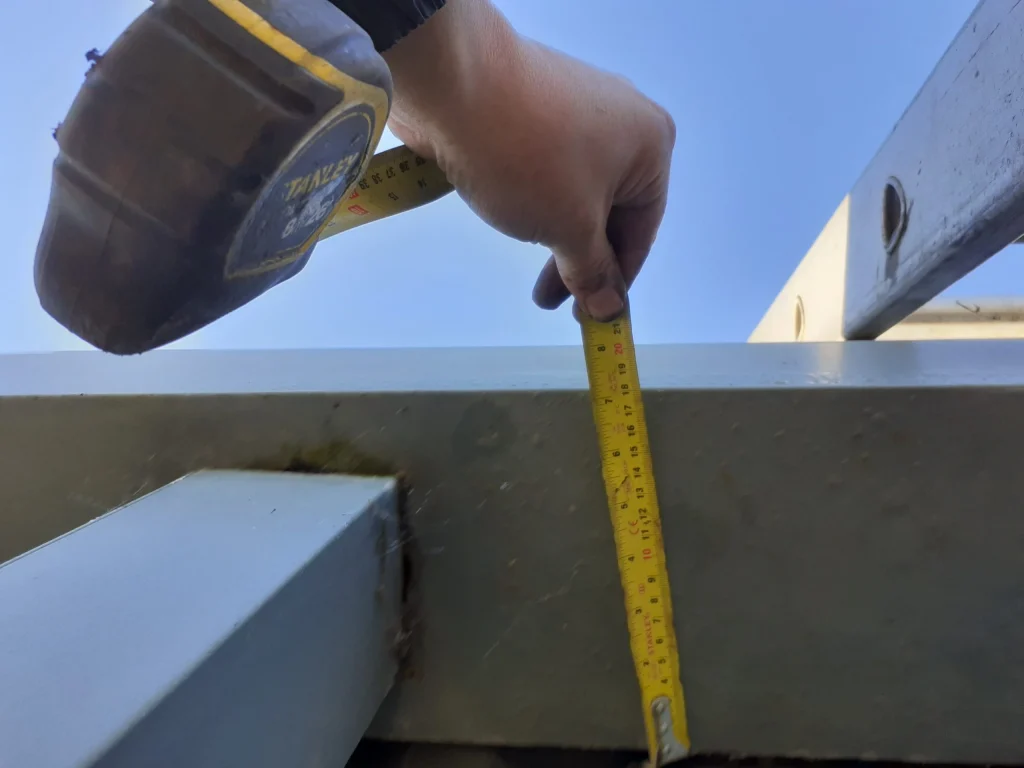
Roof Fascias: Why They Matter More Than Most Homeowners Realise
I often notice that roof fascias only get attention once something already looks wrong — peeling paint, staining on walls, overflowing rainwater channels, or timber starting to rot. In reality, fascias quietly do an important job every day. They provide the fixing point for the combined fascia and rainwater system and help protect the vulnerable roof edge from moisture ingress before it reaches the timbers behind.
In Sussex, where roofs regularly face strong winds, heavy rain, and coastal exposure, neglected fascias can slowly create problems that spread much further into the roof structure than many homeowners expect.
What Roof Fascias Actually Do
Roof fascias sit along the lower roof edge where traditional half-round rainwater channels and other profiles are fixed. Their job is simple but important:
- Support the rainwater drainage system.
- Protect roof timbers from moisture ingress.
- Help guide rainwater safely toward the correct outlets.
- Seal vulnerable roof edges from wind-driven rain.
- Improve roofline ventilation when combined with soffits.
Without functioning fascias, water can start tracking behind the roofline and into timber structures, especially during prolonged rainfall.
Common Signs Your Fascias May Be Failing
One mistake I often see is homeowners focusing only on the visible drainage channel while ignoring what sits behind it. In many cases, the fascia board is actually the real issue.
Warning signs I usually tell homeowners to watch for include:
- Rainwater channels pulling away from the roof edge.
- Visible timber rot or soft spots.
- Peeling paint or swollen wood.
- Black staining around the roofline.
- Overflowing water running behind the drainage line.
- Bird or insect activity near roof edges.
Older timber fascias in Brighton and Hove are particularly vulnerable because repeated moisture exposure gradually weakens the wood over decades.
Why Fascia Problems Often Get Misdiagnosed
I regularly inspect roofs where homeowners assume they simply have blocked rainwater channels, but the actual issue turns out to be fascia deterioration behind the front edge.
Once timber begins to soften, brackets lose stability. That changes the drainage fall, causing water to sit in sections of the system instead of flowing properly toward downpipes.
This can create a chain reaction:
- Standing water increases weight on the drainage run.
- Brackets begin loosening.
- Water overflows behind the fascia.
- Moisture enters roof edges and soffits.
- Internal damp eventually develops.
By the time stains appear indoors, the damage often started months or even years earlier.
Timber Fascias vs Modern uPVC Fascias
People often ask me whether repairing timber fascias is worth it or if replacement makes more sense.
It depends entirely on the condition.
When Timber Repairs Still Make Sense
Repairs are often worthwhile if:
- Rot is isolated.
- The structural roof edge remains solid.
- Only small sections are damaged.
- Historic appearance matters.
When Replacement Is Usually Better
If deterioration affects multiple sections or drainage fixings are failing repeatedly, replacement often becomes the more sensible long-term option.
Many homeowners choose a low-maintenance uPVC roofline upgrade because it needs far less ongoing care and copes better with Sussex weather exposure.
Roof Fascias and Guttering Work Together
One thing I always explain is that fascias and rainwater drainage should never be treated as separate issues. If one fails, the other usually suffers as well.
Where poor drainage is contributing to roofline damage, improving rainwater discharge and downpipe layout can often prevent future moisture problems.
Sussex Weather Makes Roofline Maintenance More Important
Coastal properties around Brighton, Hove, and Worthing naturally face harsher conditions. Salt-heavy air, driving rain, and repeated wind exposure gradually weaken exposed roofline materials faster than many homeowners realise.
Victorian terraces especially tend to suffer because older rooflines often have decades of repairs layered over original timber.
Final Thoughts
In my experience, roof fascias are one of those parts of a property people rarely think about until problems become visible. The difficulty is that roofline damage usually develops quietly behind the drainage line long before anyone notices it.
If water constantly overflows, paint keeps peeling near the roof edge, or timber feels soft, it is worth checking the fascia condition early. Small repairs are usually far easier — and cheaper — than dealing with widespread roof edge deterioration later.