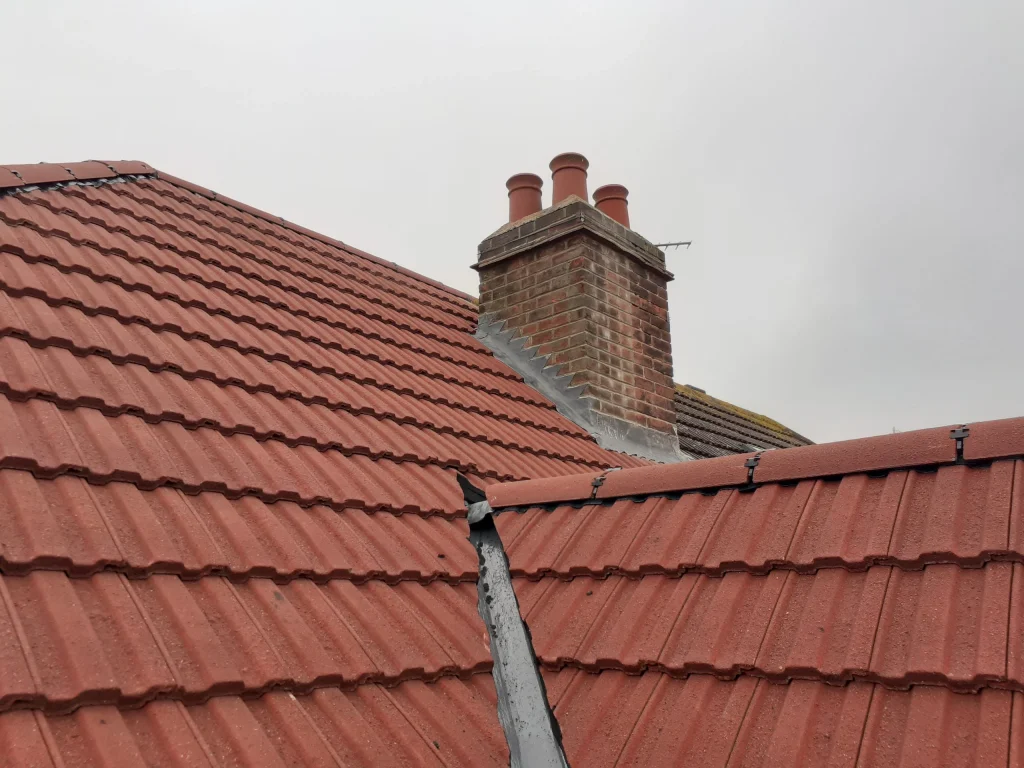
When someone asks me for new roof quotes in Brighton, I do not like giving a number before I understand what kind of structure I am actually pricing. A new covering on a Victorian terrace, a small rear extension, a garage waterproofing job, or a tired parapet detail can all mean completely different work. The quote should not just be a figure in a message; it should explain what is being replaced, why it needs replacing, what materials are included, and whether a smaller targeted fix is still a sensible option.
For domestic roof installation work in Brighton homes, I often see properties that have been patched several times before the owner finally asks for a full replacement quote. Sometimes replacement is the right answer. Other times, strip-and-relay work beneath reusable coverings may be enough, especially when the visible tiles or slates are still serviceable but the underfelt, battens, or hidden layers have started to fail.
What a new quote for re-using sound existing tiles should actually include
A proper quote should make it clear what you are paying for. If a quote only says “new roof” with one total price, it can be difficult to compare it with another contractor’s price because you do not know whether both quotes include the same work.
When I prepare or explain a roof quote, I usually look at the full build-up, not just the visible covering. A cheaper quote can become expensive later if it ignores rotten decking, weak battens, poor ventilation, failed flashing, or old roofline details.
A useful new roof quote should normally explain:
- what roof area is included
- whether the existing covering is being stripped or overlaid
- what materials will be used
- whether timber decking, battens, or structural repairs are included
- how lead flashing, upstands, valleys, or parapet details will be handled
- whether waste removal is included
- whether scaffolding is needed
- what access assumptions the price is based on
- whether insulation or ventilation improvements are required
This matters because two new roof quotes in Brighton can look similar on price but be completely different in quality once you read the details.
Why Brighton roofs often need careful quoting
Brighton roofs are exposed to coastal weather, strong wind, heavy rain, and salt in the air. On older properties, especially Victorian and Edwardian terraces, the roof covering is only one part of the problem. I often find ageing timber, tired mortar, porous brickwork, old lead details, and parapet walls that have been letting moisture in for years.
That is why I do not price every roof as if it is a simple replacement. A roof in a sheltered inland area may fail differently from a roof near the Brighton seafront or on an exposed hill. Wind-driven rain can push water under laps, into cracked pointing, behind loose flashing, and through weak parapet capping. A quote that ignores those details may not solve the real problem.
Repair or replacement: the question before the quote
Before giving a new roof quote, I always want to know whether the roof truly needs replacing. Some roofs look worse than they are. Others look acceptable from the ground but are failing badly underneath.
A repair may still be enough if the problem is localised. For example, a slipped tile, cracked lead flashing, blocked outlet, or isolated split in a membrane does not always justify a full replacement. But if the roof has several failing areas at once, repeated water ingress, rotten decking, perished underlay, or widespread tile movement, replacement can become the more honest long-term option.
For homeowners who are unsure, a technical site visit across Brighton and Sussex is often the most sensible first step because it helps separate repairable defects from roofs that are genuinely near the end of their working life.
What affects the cost of a new roof in Brighton?
The biggest mistake homeowners make is comparing new roof quotes only by the final number. The real cost depends on access, roof type, materials, hidden damage, and the details that need rebuilding properly.
1. Roof size and shape
A simple rectangular roof is easier to price than a roof with valleys, dormers, parapet walls, chimneys, rooflights, different levels, or awkward rear access. More junctions mean more labour and more risk points that must be waterproofed correctly.
2. Access and scaffolding
Access can change the quote significantly. A low garage roof with easy access is very different from a tall terraced house where scaffolding is required. In Brighton, rear access can also be awkward because many properties have narrow alleys, extensions, basement areas, or restricted garden access.
3. Existing roof condition
If the roof covering is failing but the structure underneath is sound, the work is more predictable. If the decking, battens, fascia ends, or rafters are rotten, the quote needs to allow for repairs. Hidden timber damage is one reason I prefer inspecting properly before giving a firm price.
4. Roofing material
The material makes a major difference. A pitched slate roof, a tiled roof, and an SBS torch-on felt flat roof are priced differently because the labour, preparation, fixings, detailing, and lifespan expectations are different.
5. Flashing, chimneys, and parapet walls
On Brighton terraces, flashing and parapet details are often where the real trouble starts. A new roof covering fitted around old defective leadwork or porous parapet brickwork can still leak. The quote should make clear whether those details are being repaired, renewed, or left as they are.
Flat roof quotes are different from pitched roof quotes
A flat roof quote should not only mention the top layer. I want to know what is happening underneath: the decking, falls, outlets, upstands, insulation, ventilation, and whether water is ponding. Ponding water is not just a cosmetic issue; over time it stresses laps, outlets, and weak points in the membrane.
For flat roofs, I commonly work with SBS torch-on felt systems because they are practical, durable, and well suited to many garages, extensions, dormers, and small flat roof areas when installed correctly. But the system is only as good as the preparation. If the deck is soft, wet, uneven, or moving, the new covering can fail earlier than it should.
If the quote is for a felt covering, extension area, dormer, or small residential waterproofing project, my SBS torch-on systems for extensions, dormers, and garages page is usually the most relevant place to compare the type of work involved.
Warning signs that a new roof quote may be needed
Not every stain or leak means you need a new roof, but some signs tell me the roof may be moving beyond small repairs.
- repeated leaks in different areas
- roof repairs that only last a short time
- soft or sagging flat roof decking
- large areas of cracked or slipped tiles
- old underfelt breaking down inside the loft
- rotting fascia edges or exposed timber
- ponding water that does not drain from a flat roof
- failed lead flashing around chimneys or walls
- damp linked to parapet walls or party wall details
- visible movement in roof junctions or ridges
When several of these appear together, a new roof quote may be more sensible than paying for repeated patches.
Be careful with very vague cheap quotes
I understand why homeowners want a low price. Roofing is not a small expense. But the cheapest new roof quote in Brighton is not always the cheapest long-term option if the work misses important details.
A vague quote may not include proper stripping, waste removal, new decking where needed, leadwork, ventilation, insulation, edge trims, outlets, or correct upstands. With flat roofs especially, a surface-level patch or poor overlay can hide moisture underneath and make the next failure harder to diagnose.
I would rather see a quote that is clear and honest than one that looks attractive but leaves too many questions unanswered.
Questions I would ask before accepting a new roof quote
Before choosing any roofer, I would ask practical questions. These are not complicated, but they quickly show whether the quote has been thought through properly.
- Is the old roof being stripped off or covered over?
- What happens if rotten timber or wet decking is found?
- Are lead flashing and wall junctions included?
- Is scaffolding included or priced separately?
- What material system is being installed?
- How will rainwater drainage be improved?
- Are waste removal and disposal included?
- Will ventilation or condensation issues be checked?
- Is the quote based on photos only or a proper inspection?
These questions help you compare quotes fairly instead of choosing only by price.
My practical view on new roof quotes in Brighton
A new roof quote in Brighton should be based on the real condition of the property, not a guess. The roof covering, access, structure, flashing, drainage, ventilation, and local weather exposure all affect the final price and the quality of the finished job.
If your roof is only suffering from one clear defect, repair may still be the right answer. If the roof is old, patched repeatedly, leaking in several places, or failing underneath the surface, replacement may save money and stress over time. The important thing is to diagnose it honestly first.
For straightforward roofing services, some of my pages include online calculators where you can estimate costs in around 30 seconds. For more complicated roofs, especially older Brighton properties with awkward details, an inspection is usually the better way to get a quote that actually reflects the work needed.