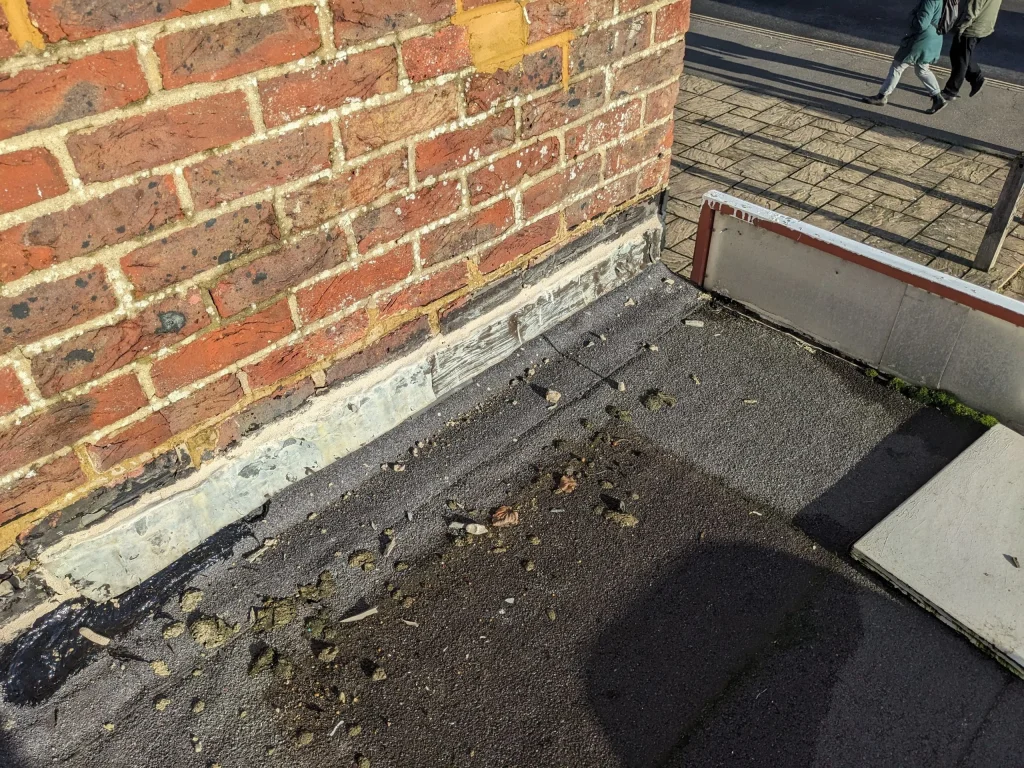
Brighton and Hove Roofing: Why Coastal Properties Require a Different Approach
When homeowners search for Brighton and Hove roofing, they are often looking for someone who understands more than simply replacing tiles or patching visible water damage. After working on roofs across Brighton and neighbouring coastal homes for over 12 years, including properties where accurate leak diagnosis and localised defect repairs are essential, I can honestly say that roofs in this area behave differently from many other parts of the UK.
Coastal exposure changes everything. Strong south-westerly winds, salt-heavy air, ageing Victorian construction, and repeated thermal movement all affect how coverings, flashings, roof edges, and drainage details age. What may survive for decades inland can deteriorate far faster close to the Sussex coastline.
For me, good workmanship is not about recommending replacement immediately. It is about understanding how the building behaves, identifying the real cause of the issue, and explaining clearly what actually needs doing. This is also why my wider coastal property maintenance and waterproofing work focuses heavily on diagnosis, junction details, and practical repairs rather than unnecessary major projects.
The Roofing Challenges Unique to Brighton and Hove
One thing that makes Brighton and Hove properties different is the age and structure of much of the local housing stock.
I regularly work on:
- Victorian terraced houses with ageing timber movement and shared party walls.
- Edwardian homes where rooflines have shifted gradually over decades.
- Low-slope waterproofed areas exposed to harsh coastal winds and thermal expansion.
- Bay roofs and dormers vulnerable to flashing failure.
- Rear extensions suffering from condensation due to outdated insulation systems.
Many problems I diagnose are not sudden failures. More often, the structure slowly weakens through repeated weather exposure until one heavy storm exposes an underlying defect that may have been developing for years.
The Most Common Roofing Problems I See in Brighton and Hove
Homeowners are often surprised to hear that water ingress is not always caused by obvious external damage.
Some of the most common defects I investigate include:
- Lead flashing separation caused by thermal movement and ageing mortar.
- Slipped tiles or slate movement after coastal wind uplift.
- Blocked drainage systems forcing water into weak junctions.
- Membrane fatigue on older bitumen-based low-slope systems.
- Hidden damp penetration through parapet walls and porous masonry.
- Condensation incorrectly mistaken for external water entry.
One thing I always explain honestly is that water rarely enters exactly where the stain appears internally. Moisture can travel surprisingly long distances through insulation, joists, and cavity spaces before becoming visible.
If a property is already suffering from active water ingress, homeowners can arrange a priority leak diagnosis visit so I can trace the actual source before damage spreads further into plaster, insulation, or timber.
Flat Roofing vs Pitched Roofing in Brighton and Hove
Brighton and Hove roofing involves very different approaches depending on the type of structure and the way rainwater is managed.
For pitched coverings, my inspections often focus on:
- Loose or slipped slates and tiles.
- Ridge movement and mortar deterioration.
- Lead flashing failures around chimneys.
- Structural movement on older terraces.
For low-slope waterproofed sections, the priorities are different:
- Checking SBS torch-on membrane seams.
- Inspecting drainage outlets for standing water.
- Assessing perimeter detailing and upstands.
- Checking for trapped moisture beneath waterproof layers.
I generally prefer modern SBS-modified bitumen systems because they cope much better with thermal movement and repeated coastal weather exposure than older mineral systems.
Where low-slope deterioration becomes significant, many homeowners first use my online waterproofing price estimator to understand likely replacement costs before arranging a survey.
My Approach to Roofing in Brighton and Hove
I do not believe in selling unnecessary replacements.
My process usually starts with diagnosing:
- Whether moisture is actually coming from external water entry or condensation.
- Whether repairs remain technically worthwhile.
- How structural movement may affect long-term durability.
- Whether access or hidden defects change the repair approach.
Sometimes I recommend immediate repairs. Other times, I simply explain that monitoring the issue makes more sense because major work is not necessary yet.
After working in Brighton and Hove for years, I have found that transparency matters just as much as technical skill. Homeowners deserve realistic explanations, not pressure.
Final Thoughts on Brighton and Hove Roofing
Good roofing in Brighton and Hove requires more than replacing materials. It requires understanding coastal weather exposure, ageing property structures, and how water actually behaves once it enters a building.
Whether the issue involves low-slope waterproofing, slipped slates, drainage, or hidden damp, my goal is always the same: diagnose the real cause before recommending work.
For most related services, I also provide instant online calculators where homeowners can estimate likely costs themselves in around 30 seconds before arranging a survey.