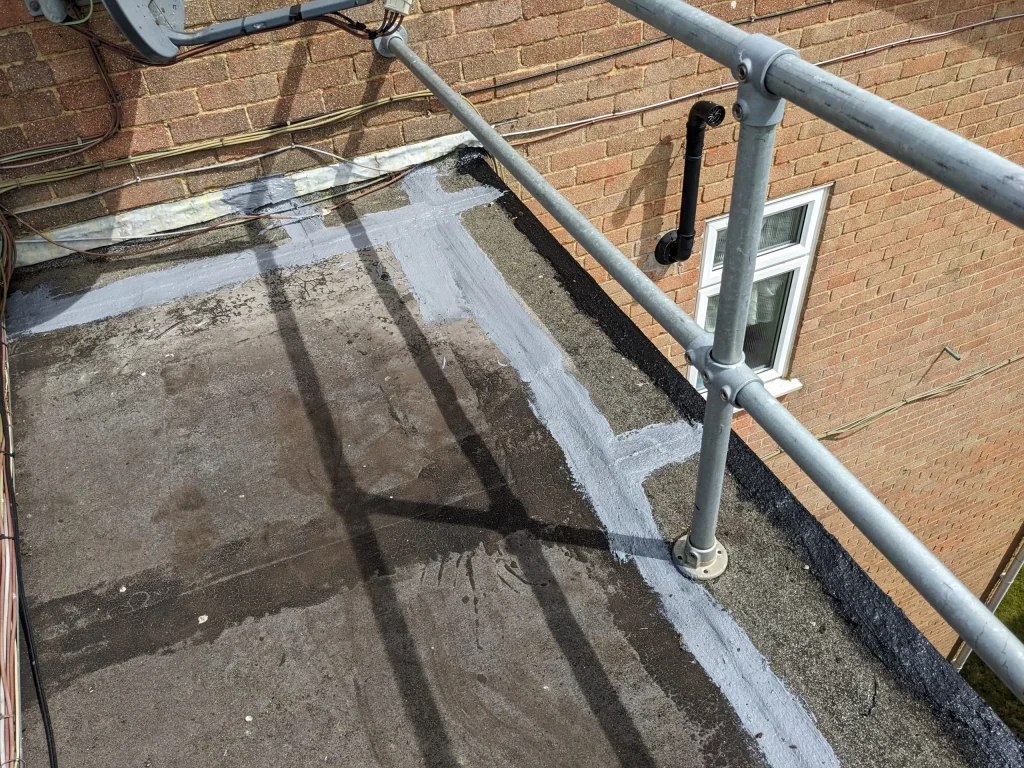
Searching for Flat Roof Repairs Near Me? Here Is What I Usually Tell Homeowners First
When someone searches for flat roof repairs near me, it is usually because something has already gone wrong. Water staining on a ceiling, bubbling felt, damp smells, or a roof suddenly starting to leak after heavy rain are normally what trigger the search.
But one thing I have learned after years repairing flat roofs around Brighton, Hove and Worthing is this: the visible problem is often not the real problem.
A leak showing inside your property today may actually come from damage that quietly developed months earlier.
The First Signs That a Flat Roof Usually Needs Repair
Flat roofs rarely fail overnight. Most roofing systems give warning signs before water ingress becomes serious.
During inspections, I usually look for:
- Cracks or splitting in ageing felt.
- Blisters forming beneath waterproof layers.
- Ponding water sitting too long after rainfall.
- Open joints around roof edges or upstands.
- Loose flashing where roofs meet walls.
- Damp smells or staining inside upper rooms.
- Moss or debris blocking drainage outlets.
Many flat roof problems start around edges, corners and junctions rather than in the middle of the roof itself.
Why Flat Roof Leaks Often Appear in the Wrong Place
One of the biggest misconceptions I regularly explain is that water rarely enters where the internal stain appears.
Flat roof leaks can behave unpredictably because moisture travels beneath roofing layers before becoming visible indoors.
I often see situations where:
- Water enters near flashing but appears several metres away.
- Small membrane splits allow slow moisture ingress over time.
- Blocked outlets create ponding water that exposes hidden weaknesses.
- Condensation is mistaken for an external leak.
This is why proper diagnosis matters more than simply applying sealant and hoping for the best.
Can a Flat Roof Be Repaired — Or Does It Need Replacing?
Not every flat roof needs replacing.
In my experience, repairs usually make sense when:
- The waterproof failure is localised.
- The roof deck remains structurally sound.
- The membrane still has reasonable lifespan left.
- Drainage issues can be corrected.
However, if the roof has repeated leaks across multiple areas, widespread substrate movement, or significant moisture trapped beneath the waterproofing, replacement sometimes becomes more economical long-term.
For larger roofing issues, many homeowners first look at flat roof replacement options and costs to compare repair versus replacement before making a decision.
The Types of Flat Roof Repairs I Most Commonly Carry Out
Across Sussex, I regularly repair:
- Garage flat roofs.
- Rear extension roofs.
- Dormer roofs.
- Bay window roofs.
- Felt roofs affected by age and weathering.
- Storm-related membrane damage.
Most modern repairs now involve SBS torch-on felt systems because they handle thermal movement much better than older mineral felt roofs, particularly with the wind and weather exposure we get around Brighton and Hove.
Flat Roofs in Sussex Face Different Challenges
Coastal weather makes a real difference. Strong winds, salt-heavy air, and repeated wet weather gradually weaken roof details faster than many homeowners expect.
On Victorian terraces especially, flat roofs around parapets, dormers and rear extensions often suffer because decades of small repairs eventually create weak junctions where moisture can slowly penetrate.
If you are uncertain whether your roof actually needs repair, arranging a roof inspection in Brighton or Sussex can often save money by identifying whether the problem is minor or more structural.
Final Thoughts
If you are searching for flat roof repairs near me, my advice is usually simple: do not ignore early warning signs. A small split, blocked outlet, or failed flashing detail is normally far easier to fix than long-term water damage hidden beneath the roof covering.
In many situations, a proper inspection early on prevents much bigger costs later and avoids unnecessary full roof replacement.