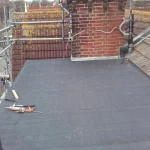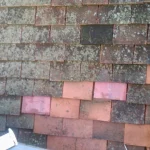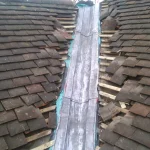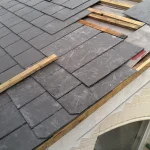
I am Jan Sagi, an independent roofer based in Brighton. I have worked in the trade for 18 years, including more than 12 years on properties across Brighton, Hove, Worthing, and the wider Sussex coast. In that time, I have seen thousands of roof defects: leaking flat roofs, slipped slates, failed lead flashing, rotten decking, damp parapet walls, poor guttering, cracked chimney details, and condensation problems that were wrongly treated as external leaks.
I am not going to pretend that reviews alone tell the whole story. Good reviews matter, of course they do. But a leaking property detail does not care how shiny someone’s website looks. It cares whether the leak was diagnosed properly, whether the terrace waterproofing build-up was understood correctly, whether the leadwork around walls and chimneys was dressed properly, whether the felt laps were torched cleanly, and whether the roofer understood why water was getting in before throwing materials at it.
That is why this guide is not only about finding someone with good stars online. It is about understanding what makes a roofer reliable, reputable, professional, and suitable for Brighton roofs specifically. A good review is useful. A correct diagnosis is what protects the building.
What “best reviewed roofer in Brighton” should really mean
In my view, the best reviewed roofer is not always the loudest one online. It is usually the one who gets the boring details right. The roofer who checks the wall abutment before blaming the tiles. The roofer who looks at ventilation before calling every damp patch a leak. The roofer who explains when a repair is enough and when the roof has genuinely reached the end of its life.
Brighton roofs are not always straightforward. I often work on Victorian and Edwardian terraced houses where the roof has been altered, patched, repaired again, and then blamed for damp that is sometimes coming from a chimney, parapet wall, blocked gutter, failed flashing, or condensation inside the structure. A good review is nice, but a good diagnosis is what protects the property.
A proper roofer should understand that roofing is not only about the visible surface. The roof covering, timber structure, insulation, ventilation, drainage, masonry, flashings, and roofline details all work together. If one detail fails, water can travel sideways and appear inside the house far away from the actual entry point.
That is why I do not judge roofing quality only by the final photo. A repair can look neat from the ground and still be technically weak. A flat roof can look freshly coated and still have soft decking underneath. A chimney can look repointed and still leak if the leadwork has failed. A pitched roof can have new tiles and still suffer if the battens, underlay, or ventilation were ignored.
Reviews are useful, but they need reading carefully
When I look at whether a tradesperson seems reliable, I would not just count stars. I would read the actual words. Reviews that mention punctuality, clear explanations, tidy work, leak tracing, photographs, and coming back to check something are far more useful than a dozen short comments saying “great job”.
A short review can still be genuine, but it may not tell you whether the roofer understood the defect. The most useful reviews normally explain what problem the homeowner had, how the roofer approached it, and whether the repair survived real rain afterwards. Roofing is not tested on the day the van leaves. It is tested during the next heavy storm.
For garage roof repair and replacement work, I would pay attention to reviews that describe:
- whether the roofer explained the cause of the problem clearly
- whether photographs were provided before and after the work
- whether the quote described the materials and repair method
- whether the roofer spotted related issues such as failed lead flashing, rotten fascia boards, or poor drainage
- whether the repair lasted through heavy rain, not just until the van left the road
A roof repair can look finished from the ground and still be wrong. That is why I think reviews should show trust over time, not just politeness on the day. The best reviews usually describe reliability, communication, evidence, and lasting performance. Those are the signs I would look for if I were choosing a roofer for my own property.
Why Brighton roofs need local roofing knowledge
Roofs in Brighton, Hove, Worthing, and nearby Sussex areas are shaped by the local building stock and the coastal weather. This matters because a repair method that might survive quietly inland can fail quickly on an exposed roof near the sea.
Brighton and Hove have many Victorian and Edwardian terraces, older pitched roof structures, parapet walls, shared chimney stacks, bay windows, dormers, rear extensions, and awkward roof-to-wall junctions. These details are often where water gets in. A roof does not always fail in the middle of the visible surface. It often fails where materials meet, move, age, or were badly joined during an earlier repair.
Coastal salt can corrode fixings, trims, and exposed metal details. Wind-driven rain can force water beneath weak laps, cracked mortar, tired leadwork, and shallow roof edges. Older timber structures can move over time. Brickwork can become porous. Mortar can crack. Gutters can overflow and make a wall look like the roof is leaking when the real problem is poor drainage.
This is why a small leak on a Brighton property is not always simple. Water may enter at a chimney, travel along a rafter, and appear inside several metres away. On flat roofs, ponding water may expose weak seams or edge details. Around parapet walls, moisture can enter through failed coping, porous brickwork, or old felt capping rather than through the main roof surface itself.
A roofer who regularly works locally should understand these patterns. They should not assume every ceiling stain means the main roof needs replacing, but they should also know when a small visible defect is only the symptom of a larger waterproofing failure.
A professional roofer starts with diagnosis, not materials
A professional roofer is not simply someone who can fit tiles or torch felt onto a deck. The real value is in diagnosis: knowing whether water is entering through failed lead flashing, porous parapet brickwork, split felt laps, blocked outlets, condensation, thermal bridging, or wind-driven rain beneath ageing slates. When a sudden leak needs attention, my priority leak-response service in Brighton explains how I assess access, safety, and water ingress before carrying out a practical repair.
I also believe pricing should be transparent. My written estimate process for local homeowners shows how I approach quoting with clear scope rather than vague promises. For early budgeting, my online cost-planning calculator gives homeowners a clear starting point before arranging a survey or fixed quotation.
A professional roofer should be able to explain the cause of a defect before recommending the repair. If a ceiling is stained, that does not automatically mean the external covering has failed. I first look at the full build-up, rainwater path, ventilation, structure, and local exposure before deciding what needs doing.
That usually means separating four different possibilities:
- Genuine moisture ingress: water entering from outside through the roof covering, flashing, wall, gutter, outlet, or roofline detail.
- Condensation: warm internal air meeting a cold surface and forming moisture inside the structure.
- Drainage failure: blocked gutters, poor falls, overflowing outlets, water backing up behind fascia boards, or ponding on flat roofs.
- Structural deterioration: soft decking, rotten timber, failed battens, sagging roof sections, or long-term moisture damage hidden below the surface.
This is the part of roofing that does not always look exciting in photos, but it is the part that decides whether the repair lasts. If the diagnosis is wrong, the repair may look neat for a few weeks and then fail again in the next Sussex storm.
Common reasons homeowners look for a roofer nearby
Most local roofing enquiries begin with a visible problem rather than a known technical diagnosis. Someone sees a damp mark, hears dripping, notices a slipped tile, or sees water sitting on a flat roof. The problem is visible, but the cause still needs checking.
Common reasons homeowners search for a reliable roofer nearby include:
- Water marks on ceilings: these may be caused by a genuine roof leak, condensation, failed flashing, water tracking from another area, or moisture entering through brickwork.
- Slipped or broken tiles: common on older pitched roofs, especially after strong coastal winds, but sometimes linked to nail fatigue, rotten battens, or wider roof ageing.
- Leaking flat roofs: often linked to old felt, poor drainage, cracked details, weak edges, failed laps, soft decking, or poor roof-to-wall junctions.
- Chimney and lead flashing defects: failed leadwork, cracked pointing, poor back gutters, or porous masonry can allow water into the roof structure.
- Overflowing gutters: blocked outlets, poor falls, or deteriorated fascia boards can send rainwater down walls and mimic roof leaks.
- Damp near parapet walls: common on older Sussex terraces where exposed wall tops, coping stones, or old waterproofing details have failed.
- Bay window and dormer leaks: often caused by small edge details, poor flashing, cracked felt, or movement between different materials.
- Rear extension leaks: frequently linked to flat roof falls, abutment details, ventilation issues, or poor previous repairs.
A reliable roofer should separate these issues rather than treat them all as the same problem. The correct repair depends on where the water enters, how it travels, and whether the surrounding roof structure is still sound.
Flat roof problems: where failures usually begin
Flat roofs are my main area of work, and one of the first things I explain is that a flat roof should never be completely flat. It needs a reliable fall to move water towards an outlet, gutter, or rainwater channel. When water sits on the surface, UV exposure, freeze-thaw cycles, thermal movement, and surface contamination all start to break down the waterproofing layer faster.
On older felt coverings, I often find split laps, blistering, soft decking, poor edge trims, low upstands, or flashings that have pulled away from the wall. A modern SBS-modified bitumen system gives much better flexibility and durability than basic old-style felt, but only if it is installed correctly. The detailing around wall abutments, outlets, corners, and drips is what decides whether the covering lasts or fails early.
Most flat roof problems are not mysterious. They usually come from one of a few repeat offenders:
- Ponding water: caused by poor falls, sagging decking, blocked outlets, or badly planned drainage routes.
- Failed laps: where old felt has opened due to thermal movement, UV ageing, poor bonding, or water sitting on the seam.
- Cracked upstands: around walls, skylights, pipes, parapets, and roof edges where movement and poor detailing expose the weak point.
- Rotten OSB or timber decking: caused by long-term moisture trapped beneath the covering, often hidden until the roof is stripped.
- Weak outlet details: where water should leave the roof but instead backs up, ponds, or tracks beneath the waterproofing layer.
- Poor edge trims: where wind, movement, or capillary action allows water to pull back under the edge rather than being thrown clear.
- Condensation risk: especially on cold roof constructions where ventilation, insulation, or vapour control was not handled properly.
This is where good roofing professionals separate themselves from quick patchers. A smear of bitumen over a split might stop rain for a short while, but if the decking is flexing, the falls are wrong, or the insulation is saturated, the roof is still failing underneath.
For general low-slope failures, I normally assess the existing deck, insulation, ventilation, outlets, and edge details before recommending a local repair or full renewal. My low-slope waterproofing specification for Sussex properties explains the type of system I use when a building needs a proper long-term covering rather than another temporary patch.
Most flat roof failures I see are not in the middle of the roof. They are at the edges, outlets, corners, upstands, and places where someone rushed the detail. That is why the best reviewed roofer in Brighton should not only be judged by how tidy the surface looks. The real test is whether the hidden details are strong enough to handle movement, water, wind, and time.
Pitched roof problems: slates, tiles, battens and leadwork
Although I focus heavily on low-slope systems, I have also repaired and replaced many pitched roofs on Victorian and Edwardian properties across Brighton, Hove, Worthing, and the Sussex coast. On pitched roofs, the common mistake is assuming the visible defect is the full problem. One slipped slate might be the symptom, but the cause could be nail sickness, rotten battens, inadequate fixing, failed underlay, or wind uplift working on a poorly detailed roof edge.
A pitched roof is designed to shed water in layers. Tiles and slates are the first defence, but they are not the whole system. The underlay, battens, lead flashing, soakers, valleys, ventilation, ridge details, gutters, and masonry all affect how the roof performs in heavy rain.
On Sussex period houses, the common issues include:
- Slipped slates: often caused by nail fatigue, corrosion, movement, or ageing fixings rather than one isolated accident.
- Broken or cracked tiles: sometimes visible from the ground, but often only part of a wider ageing issue.
- Rotten battens: hidden beneath the covering and usually discovered when tiles or slates are lifted.
- Failed underlay: especially on older roofs where the felt has become brittle, torn, or unsupported.
- Poor leadwork: common around chimneys, abutments, dormers, and roof-to-wall junctions.
- Ridge movement: where old bedding has cracked, allowing wind and water to attack the roof line.
- Valley defects: where water is concentrated and any poor detail becomes more serious.
- Ventilation problems: where moisture forms inside the roof void and is wrongly assumed to be an external leak.
Older terraced houses around Brighton and Hove often have shared party walls, shallow valleys, tired chimney flashings, and roof timbers that have moved over decades. That is why I do not look only at the tile or slate. I check the line of the roof, the condition of the battens, the felt support trays, the ventilation path, the leadwork, the gutters, and the masonry above the roofline.
With period properties, the aim is not to throw modern materials at an old structure without thinking. The roof has to breathe where it should breathe, shed water where it should shed water, and resist wind-driven rain without trapping moisture inside the timber structure. For houses with shared rooflines and older pitched structures, my covering work for older Sussex terrace properties covers the typical structural and detailing issues I see on local homes.
What separates a proper roofer from a quick patch job
A quick patch may stop a leak for a few weeks, but it rarely addresses the reason water got in. A professional roofer looks at the whole weatherproofing system. The external covering, structure, insulation, ventilation, drainage, and surrounding masonry all affect each other.
For example, sealing a split in felt is not enough if the deck underneath is soft. Repointing a chimney will not solve the issue if the lead flashing has no proper chase into the brickwork. Replacing a few slipped slates will not last if the battens are rotten or the fixings have failed from age and salt exposure.
I see plenty of repairs that were done with good intentions and bad physics. Mastic over lead. Cement slapped into a moving joint. Felt patched over rotten decking. Paint-on waterproofing used where proper detailing was needed. These repairs often hide the failure until the damage becomes more expensive.
This is why roofing should not be judged only by how fast someone can make the visible stain disappear. The real question is whether the water path has been removed. A repair is not successful because it looks tidy in a photo. It is successful when the detail can handle movement, rain, wind, UV exposure, drainage pressure, and normal ageing.
That level of investigation is closer to a specialist assessment of the whole building envelope than a quick visual check from the ground. The roof covering may be only one part of the problem. The walls, gutters, fascia boards, chimneys, parapets, insulation, and ventilation can all be involved.
What a proper roof inspection should include
A good inspection is not just a quick look from the pavement. The roofer should examine the likely source, the surrounding details, and the condition of the materials around the defect. Photos can help, but roofs often hide the important evidence at laps, under flashings, behind gutters, inside parapet walls, or beneath old felt.
For a pitched roof, a practical inspection may include checking:
- tiles, slates, ridges, hips, verges, and valleys
- lead flashing around chimneys, walls, dormers, and abutments
- chimney pointing, brickwork, flaunching, and back gutters
- underlay condition where visible or accessible
- battens, fixings, nail fatigue, and signs of timber movement
- gutters, downpipes, outlets, and roofline drainage
- ventilation paths and possible condensation patterns
- shared party wall details on older terraced properties
For a flat roof, the inspection should consider:
- the waterproofing surface, including cracks, blisters, open laps, punctures, and UV degradation
- falls, ponding water, and whether water is moving towards the outlet correctly
- upstands, wall junctions, edge trims, drip details, and corners
- outlets, gutters, and rainwater discharge routes
- deck condition, especially any soft or springy areas
- insulation, ventilation, and condensation risk where relevant
- previous repairs, overlays, coatings, or patching that may be hiding the real problem
When the cause is uncertain, arranging a roof inspection in Brighton and Sussex can be more useful than guessing from photographs alone. Guessing from the ground can be expensive, especially with older coastal properties where water can travel before showing itself inside.
If drainage or board deterioration around the eaves is part of the problem, I also look at the roofline drainage and supporting board system. A ceiling stain is often not directly below the entry point, and overflowing gutters or rotten fascia boards can make a roof look guilty when the problem is really at the edge.
How to judge whether a roofer is reliable
Searching for a reliable roofer near me in Brighton usually means there is already a practical concern: a damp patch, a slipped tile, a leaking flat roof, a failed gutter, or an older roof that no longer feels trustworthy in heavy rain. The important point is not only how close the roofer is, but whether they understand the type of roof, the likely cause of the defect, and the correct method for repair.
Proximity helps with response time, but reliability is judged by diagnosis, workmanship, communication, and whether the proposed repair matches the real cause of the problem. A local roofer who arrives quickly but guesses badly can still leave the homeowner paying twice.
Useful signs of reliability include:
- clear explanation of the likely cause, not just the visible symptom
- photographs or direct evidence where safe access allows
- a realistic distinction between repair and replacement
- knowledge of local roof types such as Brighton terraces, bay window roofs, dormers, parapet walls, and rear extensions
- no pressure to replace a roof when a local repair may be enough
- no promise that a patch repair will solve hidden structural or deck problems without inspection
- clear discussion of access, materials, waste removal, and weatherproofing details
The best roofing advice is usually balanced. Some problems are small and repairable. Others are signs that the roof covering, timber deck, battens, insulation, or underlay has reached the end of its practical life. A reliable roofer should be honest about both possibilities.
What makes reputable roofers in Brighton different
When homeowners search for reputable roofers Brighton, they are usually trying to reduce risk before allowing someone to work on an important part of the property. A reputable roofer is not simply someone with a smart van or a low quote. Stronger signs include a clear trading history, suitable insurance, evidence of real roofing work, sensible technical explanations, and a written scope that matches the actual defect rather than just the visible symptom.
Across Brighton, Hove, Worthing, and nearby Sussex areas, this matters because many roofs are affected by local conditions: coastal wind, driving rain, older Victorian and Edwardian construction, parapet walls, shared chimney stacks, exposed flat roofs, and awkward rear access. For homeowners comparing contractors, this guide to honest local roofing advice explains why diagnosis should come before selling a repair.
Trade memberships, recognised roofing bodies, public liability insurance, and a traceable business history can all help homeowners assess a roofer. However, credentials should not be treated as a substitute for judgement. A certificate does not automatically prove that a specific leak has been diagnosed correctly, and a long list of badges does not always tell the homeowner how the roof will be repaired.
Before agreeing to roofing work, it is reasonable to carry out a few simple checks:
- Public liability insurance: a reputable roofer should be able to confirm that they hold suitable insurance for roofing work.
- Local trading history: a roofer who has worked consistently across Brighton, Hove, Worthing, and Sussex is usually easier to trace if a future issue needs attention.
- Clear business identity: the quote, invoice, website, or correspondence should make it clear who is responsible for the work.
- Relevant roofing evidence: photographs, case examples, or explanations should relate to the type of roof you actually have.
- Written scope of work: the quote should explain what is included, what materials are being used, and whether access or waste removal is included.
- Realistic diagnosis: the roofer should explain the likely cause, not only describe the visible symptom.
These checks are especially important for larger jobs such as flat roof replacement, pitched roof repairs, lead flashing work, parapet wall waterproofing, or structural repairs where hidden damage can affect the final scope.
What a reputable roofing quote should explain
A roofing quote does not need to be overly technical, but it should be specific enough for the homeowner to understand what is being paid for. A vague quote such as “repair roof leak” may not explain whether the work involves lead flashing, tile replacement, felt patching, gutter adjustment, deck repair, or full replacement.
A clearer quote should normally explain:
- which part of the roof is being worked on
- the suspected or confirmed cause of the defect
- whether the job is a temporary repair, long-term repair, overlay, or full replacement
- which materials will be used
- whether timber, decking, insulation, leadwork, guttering, or fascia boards may need additional work
- whether scaffold, access equipment, or waste removal is included
- what limitations remain if hidden damage is found after stripping
This level of detail protects both sides. The homeowner understands the scope, and the roofer is less likely to be blamed for work that was never included. It also makes it easier to compare quotes properly, because two prices that look similar at first may include very different levels of preparation, access, material quality, and finishing detail.
Roofing work is often hidden once the job is finished. A low quote may look attractive, but if it excludes proper preparation, correct flashing, sound decking, suitable underlay, safe access, or waste removal, the repair may fail earlier than expected. This does not mean the highest quote is automatically the best. It means the quote should explain the method clearly enough for the homeowner to understand the difference.
Repair or replacement: how the decision is normally made
Not every roof needs replacing. I know that sounds strange coming from a roofer, but it is true. Some leaks are caused by a small section of failed lead flashing, a cracked tile, a blocked outlet, or a poor joint. In those cases, a targeted repair can be sensible.
A local repair may be suitable where the defect is isolated. Examples include:
- a slipped tile or slate where the surrounding roof is still sound
- a small section of failed flashing
- a blocked gutter outlet or minor drainage defect
- a localised flat roof edge problem
- a cracked mortar detail around a chimney or small abutment
- a minor roofline issue where fascia, soffit, or guttering can be corrected without replacing the whole roof
Replacement becomes more realistic when the roof is failing as a system. On a flat roof, that might mean widespread felt cracking, deck failure, poor falls, saturated insulation, ponding damage, or repeated leaks around several details. On a pitched roof, it might mean nail sickness, widespread tile failure, rotten battens, or underlay that has become useless.
Replacement may be more sensible where there is:
- widespread felt cracking or multiple failed seams
- soft or rotten flat roof decking
- saturated insulation beneath the covering
- poor falls causing long-term ponding water
- repeated leaks after several previous patch repairs
- perished pitched roof underlay
- rotten battens or widespread fixing failure
- general age-related failure across a large roof area
The important point for homeowners is that reliability is not measured by recommending the biggest job. It is measured by recommending the correct job for the condition of the roof. A good roofer should be able to explain this without scaring you. Roofs are serious, but they are not haunted. Usually, there is a logical reason for the problem, even if it takes a proper inspection to find it.
Cost factors when choosing a roofer in Brighton
Roofing prices vary because roof defects vary. A simple local repair at low level is very different from work requiring scaffold, difficult access, leadwork, decking replacement, insulation work, waste removal, or a full flat roof system. Two roofs can look similar from the ground but require completely different preparation once the details are inspected properly.
The main factors that affect roofing cost usually include:
- Access: rear extensions, narrow terraces, high roofs, awkward gardens, and restricted side access can increase setup time or require scaffold.
- Roof type: slate, clay tile, concrete tile, leadwork, SBS torch-on felt, fascia, soffit, and guttering all require different materials and methods.
- Defect location: valleys, chimneys, parapet walls, dormers, rooflights, outlets, and roof-to-wall junctions are more detailed than open roof areas.
- Roof size and complexity: a small simple garage roof is not the same as a complex flat roof with multiple corners, pipes, skylights, and wall abutments.
- Hidden damage: rotten battens, damaged OSB decking, saturated insulation, decayed fascia boards, or failed underlay can change the scope once the roof is opened.
- Repair depth: a temporary weatherproofing repair costs less than a long-term replacement, but it may not solve deeper failure.
- Material choice: slate, clay tiles, concrete tiles, leadwork, SBS-modified torch-on felt, and uPVC roofline materials all have different cost profiles.
- Waste removal and preparation: stripping old felt, tiles, rotten timber, failed leadwork, or damaged roofline materials affects labour and disposal costs.
An online roofing calculator can help give a useful starting point when the roof type and defect are reasonably clear. It should not replace a proper inspection where the cause is uncertain, but it can help homeowners understand whether they are likely dealing with a small repair, a more detailed roofline issue, or a full replacement.
For Brighton homeowners, cost clarity is especially important because many roofs hide the expensive part of the problem. The visible crack, tile, or stain may be small, but the surrounding deck, battens, insulation, guttering, or flashing may be the real issue. That is why a quote should explain what is included, what is excluded, and what could change if hidden damage is found.
Why the cheapest quote is not always the safest option
The cheapest quote is not always wrong, and the most expensive quote is not automatically right. The important question is what the quote includes. Roofing work is often hidden after completion, so poor preparation or weak detailing may not show immediately. It may only appear during the next period of heavy rain, wind, frost, or thermal movement.
A low price can become expensive if it leaves out the details that actually keep the roof watertight. For example, replacing the visible cap sheet on a flat roof may not solve anything if the deck is soft, the falls are wrong, or the upstands are too low. Replacing tiles may not last if the battens are rotten. Adding sealant around a chimney will not fix failed leadwork or porous brickwork.
This is why I prefer clear explanation before agreement. A homeowner should know whether they are paying for a temporary repair, a long-term repair, an overlay, or a full replacement. Those are not the same thing. A temporary patch may be sensible in an emergency, but it should not be sold as a permanent solution if the roof has deeper failure.
Warning signs when vetting a roofer
Not every warning sign means a roofer is dishonest, but several together should make a homeowner cautious. Roofing work can be expensive, and poor repairs are often hidden until the next heavy rain.
- No clear business name or traceable local presence.
- No willingness to discuss insurance or the written scope.
- A quote that only says “fix roof” without describing the method.
- Pressure to start immediately when the situation is not an emergency.
- Replacement recommended without explaining why repair is unsuitable.
- Repeated use of sealant as a solution for details that normally require proper flashing, rebuilding, or correct waterproofing.
- No photographs, no inspection notes, and no explanation of hidden risks.
- A price that appears low because access, scaffold, waste removal, preparation, or proper materials are excluded.
- No clear answer when you ask how the edges, outlets, flashings, or wall junctions will be detailed.
A reputable roofer should be able to slow the decision down enough for the homeowner to understand what is being proposed. Urgent leaks sometimes need quick action, but even then, the explanation should still make practical sense.
Questions worth asking before agreeing to roofing work
If I were a homeowner choosing a roofer, I would ask practical questions, not just “how much?” Price matters, but the cheapest quote can become the most expensive if it misses the real cause.
- What do you think is causing the problem?
- Is this likely to be a local defect or part of a wider roof failure?
- Can the roof be repaired, or is replacement more sensible?
- What materials will be used, and why are they suitable for this roof?
- How will you deal with the edges, flashings, outlets, upstands, or wall junctions?
- Will the work require scaffold or special access?
- Is access, waste removal, and preparation included in the quote?
- Could hidden timber, deck, insulation, or batten damage change the scope?
- Will nearby details such as gutters, parapet walls, chimneys, or fascia boards need checking?
- Will I receive photographs of the work where access allows?
- What is the difference between a temporary repair and a long-term repair in this case?
A roofer who can answer those questions clearly is usually thinking about the roof properly. A roofer who only says “don’t worry, mate” might still be good, but I would want a bit more detail than that. “Don’t worry, mate” is not a waterproofing system.
When reviews are not enough
Even a well reviewed roofer cannot diagnose every roof from a phone call. Photos help, but roofs often hide the important evidence at laps, under flashings, behind gutters, inside parapet walls, or beneath old felt. I have lifted small sections before and found soft decking where everything looked passable from above.
For active water coming in during heavy rain, it may be better to arrange an urgent roof leak inspection rather than waiting and hoping the next storm is more polite. In Brighton, storms are not known for their manners.
That does not mean every leak requires panic. It means the response should match the risk. A small historic stain may need investigation and planning. Active dripping during a storm may need urgent temporary weatherproofing followed by a proper assessment when conditions are safe. A roofer should explain the difference clearly.
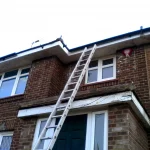
My process as an independent professional roofer
My methodical roofer’s diagnostic process is built around evidence, not assumptions. After 18 years in the trade, including more than 12 years working across Brighton, Hove, Worthing, and the Sussex coast, I sometimes feel like I have seen the same failures hundreds of times. Flat roof blistering near an upstand. Damp below a chimney breast. Staining near a party wall. A slipped slate that points to a wider fixing problem. The patterns become familiar, but the roof still has to be checked properly.
I normally work through the roof as a system:
- I inspect the roof properly: I check the covering, junctions, outlets, flashings, roofline, ventilation, and any internal signs of moisture.
- I trace the likely water path: I allow for sideways tracking, capillary action, porous masonry, and water moving behind visible surfaces.
- I separate leaks from condensation: I look at insulation, ventilation, cold bridging, and moisture patterns before blaming the external covering.
- I assess the structure: I look for sagging decking, rotten battens, nail sickness, timber movement, poor falls, and hidden moisture damage.
- I explain the defect clearly: A homeowner should know why the failure has happened before agreeing to the work.
- I recommend the correct roofing system: Sometimes that is a small repair. Sometimes it is a new flat roof, new leadwork, roofline replacement, improved ventilation, or more complete pitched roof work.
For flat areas, the correct solution often means a properly built SBS torch-on felt system with sound decking, suitable preparation, correct falls where possible, strong perimeter detailing, and suitable upstand heights. For pitched coverings, it may mean replacing damaged slates or tiles, renewing battens and breathable membrane, correcting lead details, or improving ventilation.
What matters most to me is detail: the upstands, outlets, drips, ventilation gaps, flashings, fixings, and junctions where most failures actually begin. Around Brighton, Hove, Worthing, and the Sussex coast, I have seen how small defects become expensive when water is allowed to sit, track, or soak into masonry for too long.
Insurance, guarantees, and workmanship records
Insurance and guarantees are often mentioned when discussing reputable roofers, but homeowners should understand what they do and do not prove. Public liability insurance helps protect against accidental damage or injury connected with the work. It does not automatically guarantee that a roof detail has been installed correctly.
A workmanship guarantee may be useful, but it should be read alongside the job scope. A guarantee on a small repair may not cover separate defects elsewhere on an old roof. For example, repairing one section of lead flashing does not guarantee that old tiles, cracked mortar, blocked gutters, or another chimney detail will not cause future water ingress.
Good workmanship records are often just as important. Progress photos, clear descriptions, material choices, and evidence of preparation can help show that the repair was carried out properly rather than covered over quickly. This is one reason I think photographs are useful where safe access allows. Roofing contains hidden work, and hidden work should be explained properly.
Professional roofer in Brighton, Hove, and Worthing
I am based in Brighton and have spent more than 12 years working on local properties. I know the common defects on seafront homes, terraced houses, bay windows, dormers, garages, extensions, flat roofs, older pitched structures, chimneys, parapet walls, and roofline details. I also know when a full replacement is not needed, which is just as important as knowing when it is.
Most of my work is on low-slope coverings, especially high-performance SBS-modified torch-on felt systems, but I have also repaired and replaced many pitched structures on Victorian and Edwardian properties. I prefer to inspect properly, explain what I can see, and recommend the most practical option. Sometimes that is a small repair. Sometimes it is a new flat roof. Sometimes it is parapet wall waterproofing, better ventilation, new guttering, or replacing rotten fascia and soffit boards that have been quietly suffering for years.
If you are comparing tradespeople, ask how they will diagnose the leak, what material they are using, how they will detail the edges and flashings, and whether the quote includes the parts of the job that usually cause failures. The cheapest price often leaves out the most important details.
Final practical advice if you are searching for the best reviewed roofer Brighton
Use reviews as a starting point, not the whole decision. Look for evidence of reliability, clear communication, proper diagnosis, and roofing knowledge. A trustworthy roofer should be able to explain the difference between a temporary patch and a lasting repair without making the situation sound worse than it is.
If your roof is older, near the seafront, on a Victorian terrace, or has a history of repeated leaks, the inspection matters even more. The real problem may be lead flashing fatigue, capillary action, parapet moisture ingress, poor ventilation, ponding water, rotten decking, failed underlay, tired battens, or blocked drainage. None of those should be guessed at.
The best outcome is not just finding someone with good reviews. It is finding someone who understands why your roof is failing and what repair will actually make sense for the property. That is how I try to work as Jan Sagi: practical, direct, and based on what the roof is really showing me.
If the issue is unclear, a proper inspection is usually the safest first step. If the roof type and scope are already clear, an online calculator can give a useful early cost guide. If active water is coming in during heavy rain, urgent assessment may be more sensible than waiting for the next storm to test the same weak detail again.
A professional roofer should give you more than labour. You should get proper diagnosis, correct material selection, clean detailing, and a weatherproofing system suited to the building and the Sussex coastal climate. That is the difference between a quick patch and a repair that actually makes sense.