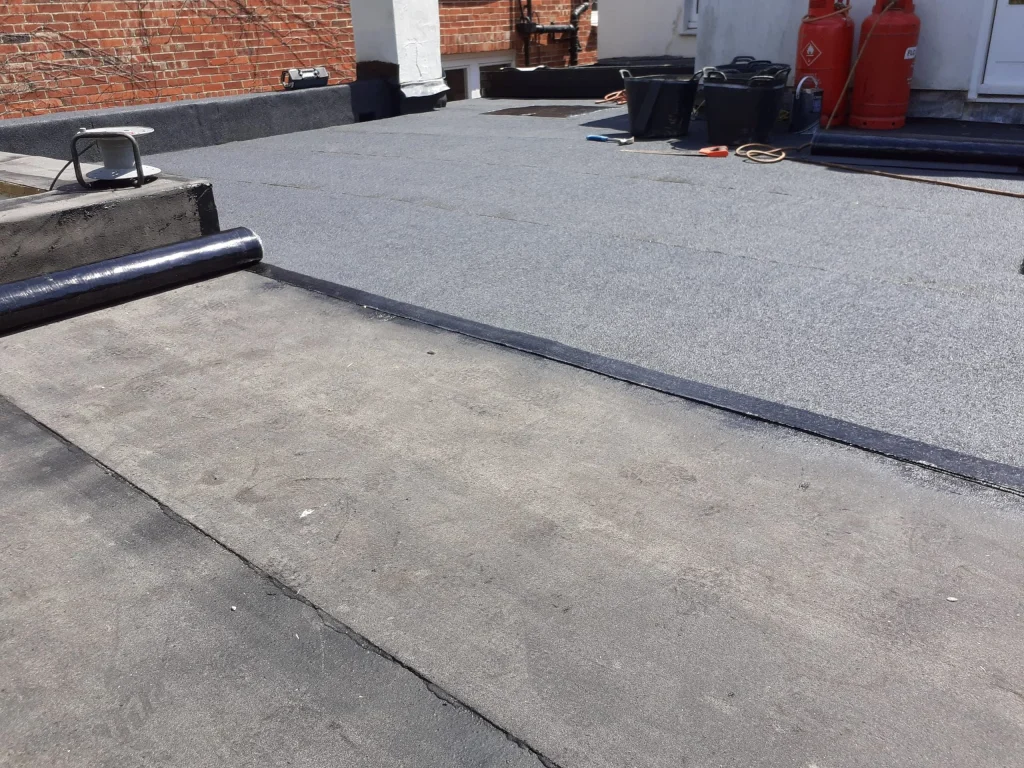
A Recent Inspection in Hove: When the Obvious Culprit Is Innocent
Just last week, I was standing on top of an older Edwardian property in Hove. The homeowner had contacted me to arrange a rooftop service because a damp brown patch had suddenly appeared on their bedroom ceiling after a heavy weekend storm. Like most people would, they naturally assumed the wind had displaced a slate or cracked a tile.
But when I got up onto the main covering and replacement cost considerations, the field area was perfectly intact. The slates were well aligned, the ridge was secure, and there were no obvious gaps. The actual problem was completely invisible from ground level, which is exactly why a proper rooftop service must go much further than a quick visual check.
What a Comprehensive Rooftop Service Actually Involves
When I carry out a rooftop service in Sussex, my aim is not simply to look for missing materials. I am checking the hidden mechanics of how water is interacting with the building. In the case of the Hove property, the moisture ingress was caused by two separate issues working together.
First, decades of subtle substrate movement had caused the lead flashing around the chimney stack to pull away by just a few millimetres. Second, capillary action was quietly drawing rainwater up and under the loosened flashing, allowing it to track down the brickwork internally.
To diagnose issues like this accurately, you need someone with practical Sussex rooftop experience to physically inspect the areas where failures usually begin:
- Junctions and abutments: Where the covering meets parapet walls, chimneys, or adjoining properties.
- Material degradation: Checking whether old mortar has become porous or whether SBS torch-on membranes are starting to lose elasticity.
- Ventilation performance: Looking for signs of thermal bridging, trapped loft moisture, and poor airflow.
- Hidden fixings: Inspecting components for coastal salt corrosion, which is a constant challenge in Brighton and Hove.
Condensation vs Genuine Water Ingress
One of the most common misdiagnoses I see involves ventilation. During a rooftop service, especially in colder months, I frequently find that a suspected external failure is actually severe condensation. Older Victorian and Edwardian homes were originally very draughty. However, as we add modern insulation, double glazing, and central heating, we often trap moist air inside the building.
If that warm air reaches a cold, unventilated loft space, it condenses on the underside of the weatherproofing membrane and repair areas before dripping down onto the ceiling below. It can look exactly like external water ingress, but patching the outside surface will do absolutely nothing to solve it. I often see this when assessing repairs to traditional tiled coverings on terraced homes, where restoring proper airflow at the eaves or ridge is often the real cure.
The Reality of Sussex Weather on Ageing Roofs
Working locally for over 18 years, I always factor in our specific environment. A rooftop service in a sheltered inland town is very different from one on the Brighton seafront. The sheer force of coastal wind uplift, combined with driving rain, constantly tests the weakest points of a building’s exterior.
I often find that temporary patch jobs using standard mastic fail much faster here. The constant shift between intense summer heat and freezing winter winds requires materials that can stretch and move without tearing. When I advise property owners, I focus on long-term weatherproofing rather than quick cosmetic fixes that may simply wash away in the next coastal storm.
Getting an Honest Assessment
At the end of the day, a proper rooftop service should give you absolute clarity about what is happening above your ceiling. Sometimes the solution is a simple flashing adjustment; other times, it requires addressing deep-seated structural moisture. I believe in explaining exactly why a problem is happening so you can make an informed decision.
If you have noticed damp patches, or you simply want peace of mind about the condition of an ageing covering, it is always best to catch these issues before they compromise structural timbers. If you are unsure what is causing the problem, I recommend arranging a technical site visit across Brighton and Sussex so the true cause can be identified properly.
I also know that budget is a priority for most homeowners. To help with this, I have added quick pricing calculators across my website where you can estimate the likely costs for various exterior works yourself in about 30 seconds before we even speak.