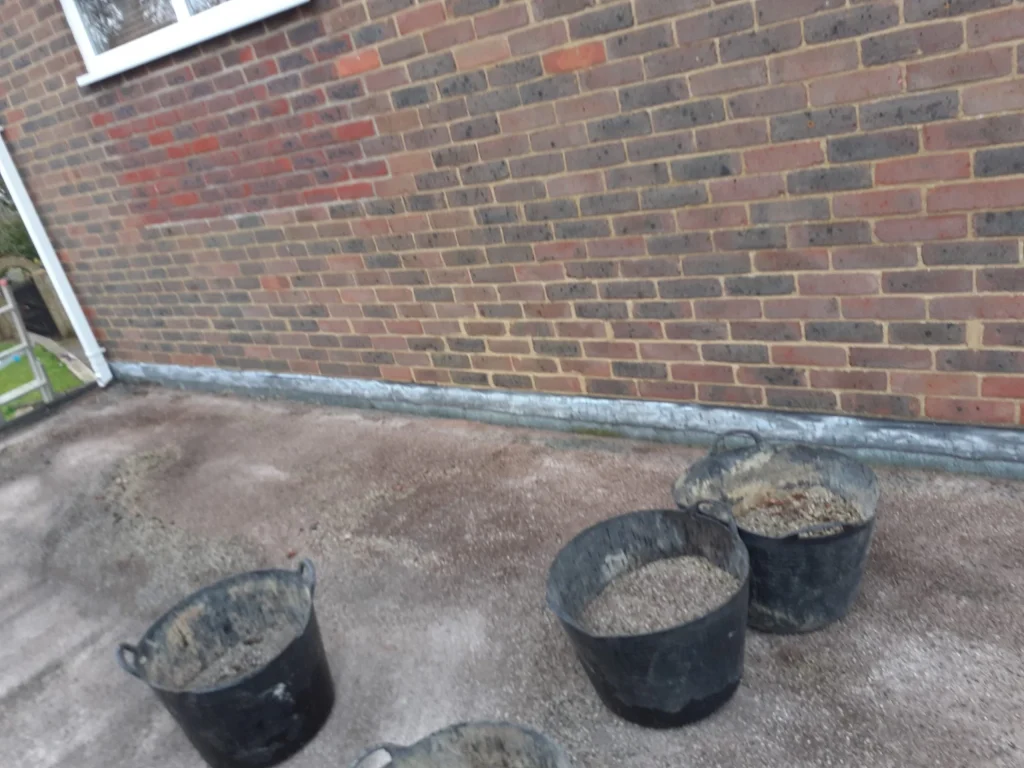
Repair Flat Roof Flashing: Why Lead Flashing Often Cracks After Poor Installation
When homeowners search for repair flat roof flashing, they often assume the leadwork has simply aged and worn out. In reality, after repairing low-slope roof areas across Brighton, Hove, and Worthing for many years, I regularly find that flashing failures began on the day the system was installed.
One of the most common problems I see is poorly fitted leadwork that was never allowed to move properly with thermal expansion. Lead is an excellent material for weatherproofing junctions when installed correctly, but it is also highly vulnerable to stress fractures if shortcuts were taken by a previous Hove-based roofing specialist.
Many leaks around low-slope roof junctions and edge details are not caused by failed membranes at all. Instead, cracked lead allows water to bypass the waterproof layer and track behind brickwork, often remaining hidden for months before appearing internally. This is especially common where the covering meets a parapet wall detail on older Sussex properties.
Why Lead Flashing Cracks on Flat Roofs
Lead naturally expands during warmer weather and contracts again during colder temperatures. On a roof exposed to Sussex coastal weather, this movement happens constantly throughout the year.
The problem begins when lead flashing has been installed incorrectly and cannot move as intended.
The most common technical mistakes I regularly find include:
- Lead sheets installed too long: Lead flashing should generally not exceed around 1.5 metres (150 cm) in length without proper expansion detailing. Longer sections create excessive thermal stress.
- Thin lead used to reduce costs: Some contractors install lead that is too light for the application. Thin lead fatigues faster and becomes vulnerable to splitting.
- No expansion joints: If movement joints or expansion allowances are missing, the lead cannot safely expand and contract during temperature changes.
- Incorrect fixing methods: Over-fixing lead too rigidly prevents natural movement and creates stress concentration points.
- Poor chasing depth into masonry: Flashing inserted too shallow into brickwork can gradually lift, loosen, and separate from the wall.
In many cases, I find large visible cracks running directly through the centre of the lead after years of thermal stress. Once this happens, wind-driven rain enters quickly, and leaks often become noticeably worse during storms.
Why 150 cm Matters for Lead Flashing
One technical detail many homeowners never hear about is the practical limit for lead expansion.
Lead should not be installed in excessively long continuous sections without movement allowance. As a general rule, flashing lengths exceeding approximately 150 cm can become vulnerable if proper detailing has not been built into the installation.
During summer heat, roof materials expand significantly. When lead has nowhere to move, internal stresses build up repeatedly year after year. Eventually, the metal begins to fatigue, and microscopic fractures slowly turn into major splits.
I regularly inspect properties where the flashing looked acceptable from ground level, but close inspection revealed long structural tears hidden inside mortar joints.
Why Cheap Lead Repairs Often Fail
One of the biggest mistakes I see is temporary repair work using silicone or surface sealants over cracked lead.
While this may temporarily reduce water ingress, it rarely survives long-term movement. The flashing continues expanding and contracting underneath, eventually reopening the crack.
When I repair flat roof flashing properly, I focus on restoring movement tolerance rather than simply covering visible damage. Depending on the condition, this may involve:
- Replacing cracked lead sections.
- Installing correctly sized flashing lengths.
- Adding proper expansion detailing.
- Resetting mortar chases.
- Repairing surrounding SBS torch-on membrane junctions.
If the surrounding low-slope covering has also started to deteriorate, homeowners often use my online roof covering estimate tool to understand likely repair or replacement costs before arranging a survey.
How to Tell If Your Flat Roof Flashing Has Failed
Flashing problems are often subtle at first. The warning signs I most commonly see include:
- Leaks appearing after heavy wind-driven rain.
- Damp staining near walls or ceiling edges.
- Visible cracking in mortar above roof junctions.
- Lead appearing split, stretched, or distorted.
- Recurring leaks that repeatedly return after patch repairs.
In Brighton and Hove, older Victorian and Edwardian buildings are especially vulnerable because decades of structural movement slowly place additional stress on lead detailing.
If water ingress becomes active or difficult to trace, I usually recommend arranging a technical on-site assessment before moisture starts affecting structural timber or insulation.
Final Thoughts on Failed Flashing Details
Repairing flat roof flashing is rarely just about filling a gap or applying sealant. In many cases, the real problem comes from poor installation years earlier: lead that was too thin, sections installed too long, or missing expansion detailing that prevented natural movement.
I always try to identify the actual cause of failure before recommending repairs. Sometimes localised flashing replacement solves the issue completely. Other times, recurring movement damage suggests that a wider roof upgrade makes more sense long term.
For most roofing services, I also provide an instant online calculator where homeowners can estimate pricing themselves in around 30 seconds before booking a survey.