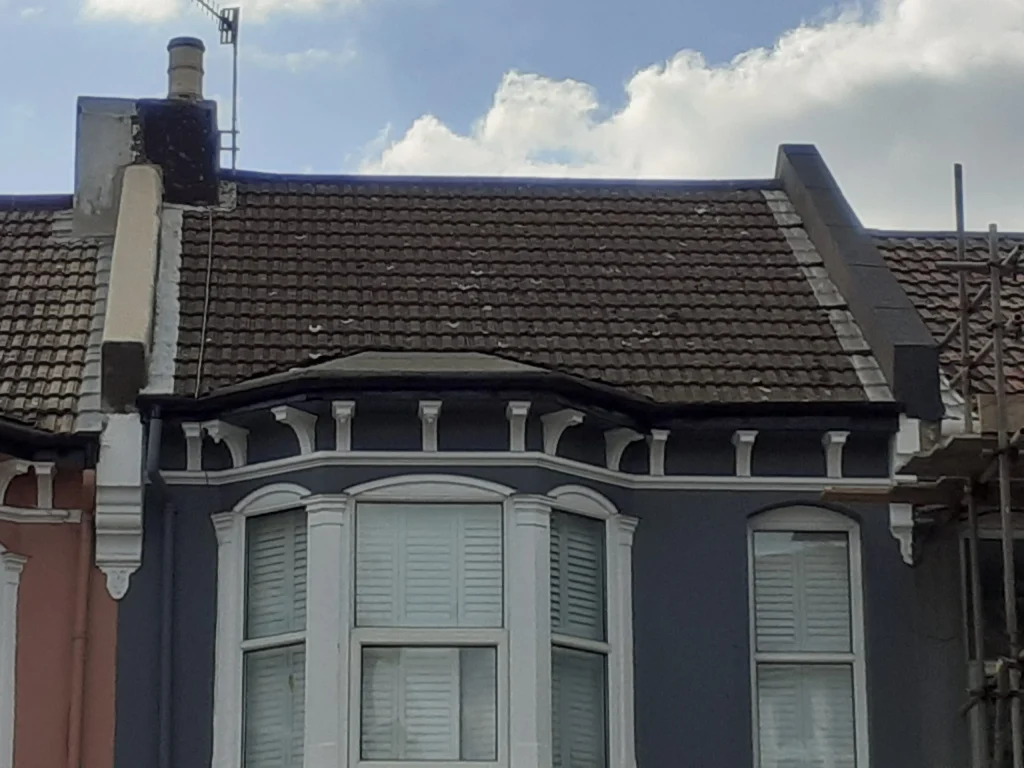
Roof Guttering in Sussex: why it matters
When I inspect a property in the Sussex coastal area, one of the most common issues I find isn’t the main covering itself but the drainage system. Effective rainwater management is responsible for controlling how water is removed from your property and safely directed away from the structure. When it fails, even a small blockage or leak can lead to damp walls, timber decay, and long-term structural damage.
Over my 18 years working as a qualified local trade professional in Sussex, I’ve seen that well-maintained drainage is just as important as the tiles or felt above it. It protects the entire building envelope from moisture penetration.
Common guttering problems I see on properties
- Blocked channels caused by moss, leaves, and debris
- Leaking joints and poorly sealed sections
- Broken or sagging support brackets
- Incorrect fall preventing proper drainage
- Overflow causing damp patches on external walls
In many cases, homeowners don’t notice the issue until internal damp appears, which is why regular inspection of the roofline is essential.
Guttering materials and systems I install
I install and maintain a range of modern drainage solutions designed for the challenging UK weather. Most commonly, I work with high-strength uPVC systems because they offer durability, low maintenance, and excellent resistance to salt-air corrosion.
I also ensure the system is correctly matched to the specific building type, whether it’s a low-slope waterproofed area or a traditional sloped surface with slate or tile coverings.
Repairs, cleaning and full replacement
Not every issue requires a full overhaul. In many cases, a targeted repair or deep clean is enough to restore proper function. However, when systems are aged or repeatedly leaking, a full replacement becomes the more cost-effective option for the homeowner.
When needed, I provide professional rainwater management solutions, ensuring the entire system is correctly aligned and fully watertight from the eaves to the drainage point.
If a leak is already causing internal damage, I often recommend a rapid leak detection and repair to prevent further deterioration of plasterwork, insulation, or timber structures.
How guttering connects to your roof system
Rainwater goods don’t work in isolation; they are part of a wider drainage network. On low-slope surfaces, especially those finished with modern systems like Tecnatorch SBS Torch-On Mineral Felt, correct water run-off is essential to prevent ponding and edge deterioration.
On sloped surfaces, the brackets must be positioned precisely to capture water from slate or tile surfaces without overshooting. A small installation error here can lead to persistent damp problems in the masonry.
My experience with pitched and slate roofs
Although I specialise in high-performance waterproofing for outbuildings and other low-slope structures, I also regularly work on sloped surfaces, including smaller residential properties and traditional slate installations. Over the years, I’ve handled nearly every type of tile available in the UK market, from modern concrete to older clay.
This experience helps me ensure that drainage systems are always properly integrated with the building structure, regardless of complexity or age.
My working process
I always start with an honest assessment. If needed, I’ll carry out a free site visit and then provide a fixed quote based on the actual condition of the drainage system.
Once work begins, clients can track everything through a secure portal, including progress updates and photos. For most maintenance services, I also offer an instant online calculator so property owners can get a clear price estimate in under 30 seconds.
Conclusion
Rainwater management is often overlooked, but it plays a critical role in protecting your home from water damage. Whether it’s a minor repair, full replacement, or part of a wider renovation, I always focus on long-term durability and correct installation rather than quick fixes.
If you’re unsure about the condition of your drainage system, the fastest way to start is by using my online calculator to get an instant estimate, followed by a proper inspection if needed.