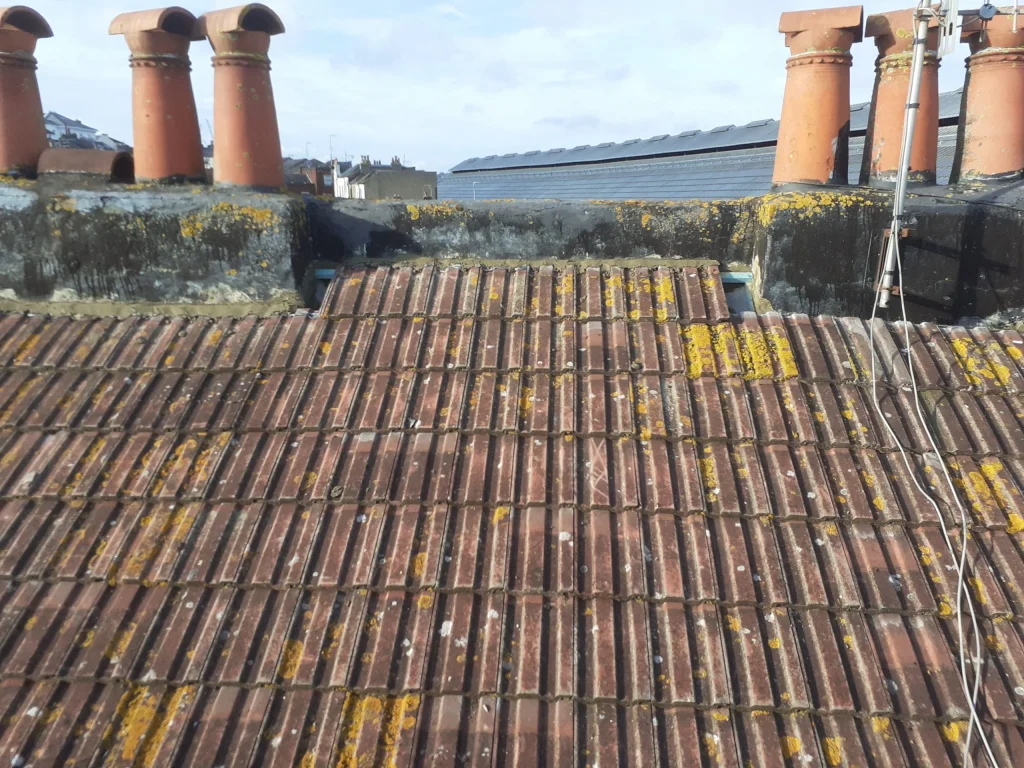
Roof Restorers Near Me: How I Decide Whether a Roof Can Be Restored or Needs Replacing
When homeowners search for roof restorers near me, they are often already concerned about visible problems: slipped tiles, persistent leaks, damp ceilings, ageing felt, moss build-up, or general wear that may call for early leak diagnosis and storm-damage advice. One thing I always explain during inspections is that roof restoration and roof replacement are not the same service.
After 18 years working on roofs, including 12 years focused specifically on Brighton, coastal homes around Hove, and Worthing, I often find roofs that look beyond repair but can still be restored successfully with targeted technical work. At the same time, I also see roofs where cosmetic restoration would simply hide deeper structural problems.
For me, proper roof restoration starts with diagnosis rather than assumptions.
What Does Roof Restoration Actually Mean?
A professional roof restoration means extending the life of an existing roof by repairing technical failures before they become structural problems. It is not simply cleaning moss or applying coatings.
Depending on the roof type, restoration may involve:
- Replacing damaged flashing and roof junctions.
- Repairing failed mortar or ridge bedding.
- Replacing damaged SBS torch-on felt on flat roofs.
- Fixing defective drainage systems.
- Replacing rotten fascia boards or failing roofline components.
- Improving ventilation where condensation has been misdiagnosed as a leak.
The goal is always to restore waterproof performance without unnecessary replacement costs.
Why Many Roof Problems Are Misdiagnosed
One mistake I regularly see is homeowners being told they need a completely new system when the issue actually comes from one failed component. In those situations, a careful local inspection can be more useful than a quick replacement quote.
For example, a roof may appear to leak badly, yet the actual issue turns out to be:
- Failed lead flashing around wall junctions.
- Blocked gutters causing water overflow.
- Porous parapet walls allowing moisture migration.
- Condensation inside poorly ventilated loft spaces.
- Localised flat roof membrane failure around roof penetrations.
In Sussex, strong coastal winds often force rain sideways into vulnerable areas, which can make relatively small defects appear far worse than they actually are.
Before recommending restoration work, I always try to identify where water is entering and whether the structure underneath remains healthy.
Flat Roof Restoration vs Full Replacement
Flat roofs are one of the most misunderstood roofing systems when it comes to restoration.
I frequently inspect flat roofs where homeowners assume replacement is unavoidable because the felt looks aged. However, if the underlying deck remains dry and structurally sound, restoration may still be possible.
Depending on the condition, I may restore a flat roof through:
- Localised felt repairs using SBS-modified torch-on systems.
- Replacing defective flashing details.
- Improving roof falls to stop standing water.
- Correcting drainage issues causing ponding.
- Replacing damaged perimeter trims.
If a flat roof has already reached the end of its lifespan, homeowners often use my cost guide for low-slope replacements to quickly understand likely pricing before arranging a survey.
Older Sussex Properties Often Need Technical Restoration
Brighton and Hove contain many Victorian and Edwardian properties that naturally experience structural movement over time.
On terraced houses especially, I regularly find roofs suffering from:
- Movement around shared party walls.
- Cracked lead flashing caused by thermal expansion.
- Sagging timbers affecting roof alignment.
- Water ingress through ageing parapet walls.
Where movement affects older terraced properties, I often recommend specialist assessment for pitched systems on period terraces because shared structural movement creates challenges modern detached homes do not experience.
How I Assess Whether Restoration Is Worthwhile
I generally focus on four key areas before recommending restoration:
- Structural integrity: Are rafters, decking, or battens still healthy?
- Moisture penetration: Has water reached insulation or timber?
- Thermal performance: Is the roof contributing to heat loss or condensation?
- Remaining service life: Will restoration realistically add many more years?
Sometimes a relatively small repair restores many years of service life. Other times, repeated patch repairs become more expensive than replacing the affected roofing system properly.
Final Thoughts on Finding Roof Restorers Near Me
If you are searching for roof restorers near me, I would focus on finding someone who investigates the root cause rather than immediately recommending replacement.
Good roof restoration should solve technical problems, improve waterproofing performance, and extend lifespan without unnecessary work.
For most roofing services, I also provide an instant online calculator where homeowners can estimate pricing themselves in around 30 seconds before arranging a detailed survey.