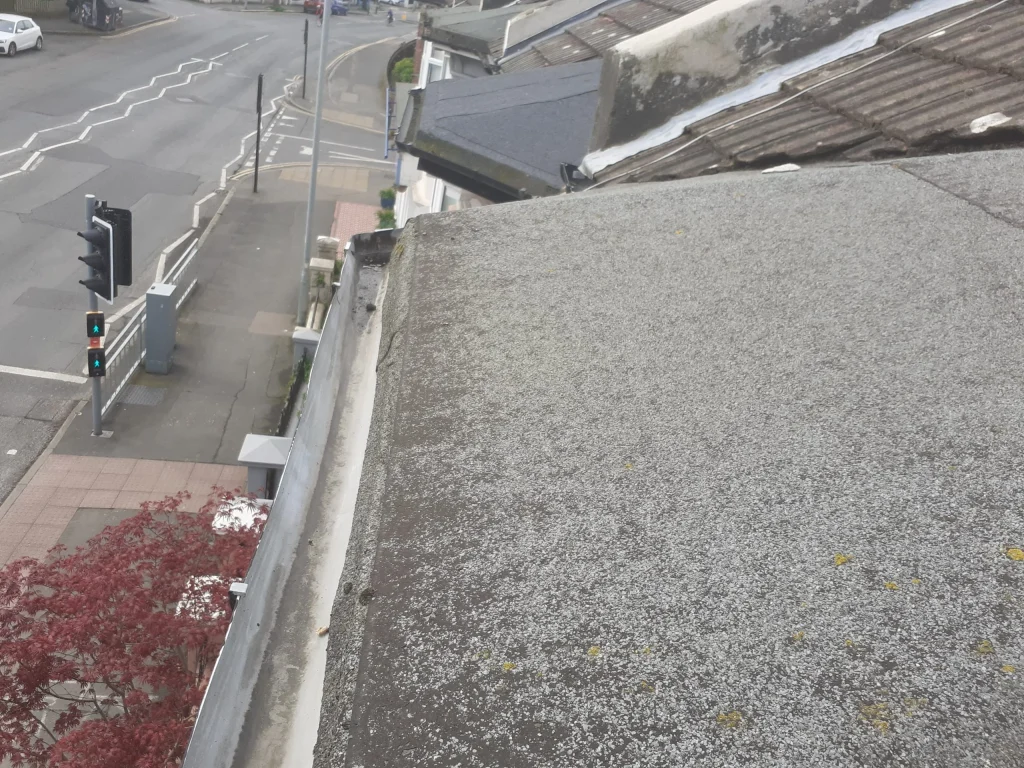
Choosing the Right Roofing Materials for Flat Roofs in Sussex
Having lived and worked as a professional roofer in the Brighton and Hove area for the last 12 years, with 18 years of total experience under my belt, I’ve seen firsthand how our coastal climate tests a property’s exterior. High winds, heavy rain, and harsh UV exposure mean that choosing the right roofing materials for flat roofs is critical for the longevity of your home. If your extension, garage, or dormer is due for an upgrade, understanding the pros and cons of the available materials will help you make an informed decision.
Common Materials for Low-Slope Structures: Pros and Cons
Today, property owners have several options when it comes to professional low-slope roofing solutions. Many homeowners also consider installing high-quality roof windows to bring more natural light into these spaces. Here is a breakdown of the most common materials used in the UK market.
EPDM Rubber Roofing
EPDM (Ethylene Propylene Diene Monomer) is a synthetic rubber membrane widely used for flat roofs.
- Pros: It is lightweight, generally installed in a single seamless sheet (for smaller roofs), and highly flexible.
- Cons: EPDM is susceptible to shrinkage over time, which can pull the membrane away from the edges and cause leaks. It can also be easily punctured by falling debris or foot traffic, and aesthetically, it is not always the most attractive option.
GRP Fibreglass
GRP (Glass Reinforced Plastic) involves laying a fibreglass matting mixed with liquid resin, which cures into a hard surface.
- Pros: It is completely seamless, highly resistant to foot traffic, and offers a sleek, modern finish.
- Cons: Because it cures into a rigid surface, GRP lacks flexibility. In areas like Sussex, where temperature fluctuations cause buildings to naturally expand and contract, this rigidity can lead to cracking and subsequent water ingress if not installed perfectly.
Why I Recommend Tecnatorch SBS Torch-On Mineral Felt
While EPDM and GRP have their places, my primary specialisation—and the material I trust most for a long-lasting waterproof covering—is modern high-performance felt. Specifically, I highly recommend Tecnatorch SBS Torch-On Mineral Felt in Charcoal.
Forget the old, easily torn pour-and-roll felt of the past. Modern SBS (Styrene Butadiene Styrene) modified bitumen is an entirely different beast.
- Exceptional Flexibility: The SBS modification gives the bitumen rubber-like qualities. This allows the membrane to flex, expand, and contract with your building throughout the hot summers and freezing winters without cracking.
- Proven Durability: Applied using a safe torch-on method, the layers fuse together to create an impenetrable, watertight seal.
- UV Protection and Aesthetics: The Charcoal mineral finish isn’t just about looking great—though it does provide a crisp, clean edge to any property. The mineral granules actively protect the underlying waterproofing layers from the sun’s damaging UV rays, significantly extending the roof’s lifespan.
Planning Your Flat Roof Project
Whether you need a complete overhaul or a straightforward repair, choosing high-quality materials and professional installation is the key to a stress-free result. If you are unsure about the condition of your current structure, you can easily schedule a professional site survey. I personally handle all inspections to assess the structural decking and provide transparent advice.
I know that dealing with tradespeople can sometimes be frustrating, especially when waiting for estimates. I believe in complete transparency, which is why I have built an online calculator on my website. For most of my services, you can use this tool to calculate a free, no-commitment price estimate yourself in just 30 seconds. Once we agree on a fixed-price quote, you will even get access to a secure client portal to track progress, view daily photo logs, and manage warranties with absolute peace of mind.