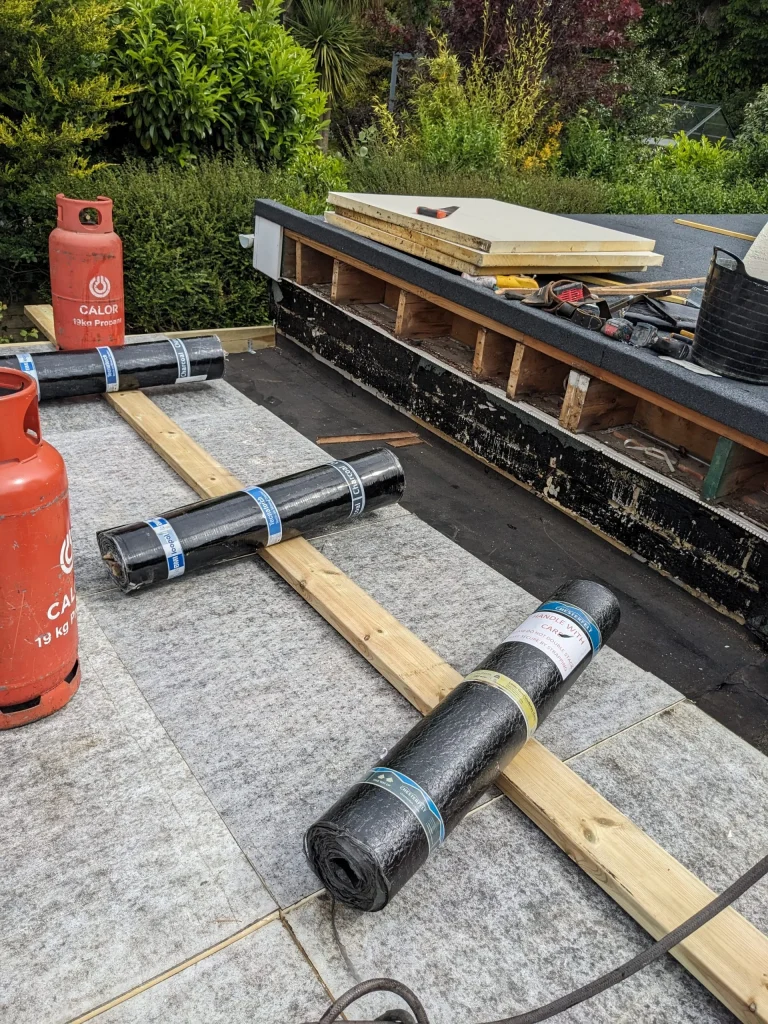
Property maintenance challenges across the Sussex coast share specific traits shaped by our local geography. Located directly on the English Channel, our buildings endure harsh conditions that inland properties rarely encounter. With nearly two decades of experience working on various structures from Worthing to Kemp Town, I have identified what typically fails first and what ensures that fixing persistent leaks leads to a long-term solution rather than a temporary patch.
What Sets Coastal Sussex Roofing Apart
The most significant environmental factor is salt. Sea spray travels inland on prevailing winds, leaving a fine layer of sodium chloride on every surface. This significantly speeds up the corrosion of metal components like flashing clips and brackets, which is why clearing rainwater systems regularly is vital to inspect the integrity of the fixings. Salt also penetrates porous masonry, keeping brickwork damp through hygroscopic absorption. Parapet walls and chimney stacks are particularly vulnerable, often leading to failure in the surrounding details.
Wind exposure is the other major challenge. The strong south-westerlies common in this region can lift poorly secured tiles and compromise modern waterproofing solutions if the perimeter detailing isn’t robust. I have seen many installations that were otherwise perfect but failed because the edge details weren’t designed to withstand the specific uplift forces we experience along the coast.
Flat Roofs in Sussex: Why So Many Fail Early
Low-pitched structures are a common feature of the architecture in Hove and the surrounding areas. Whether it is a rear extension, a bay window, or a dormer, most Victorian and Edwardian homes have at least one such section. The primary issue is that many were built using outdated insulation standards and basic waterproofing technology.
The Cold Roof Problem
Traditional construction in this area often follows a “cold” design, where insulation is placed between the joists. In our damp maritime climate, this frequently leads to internal condensation. Warm air from the living space rises, hits the cold underside of the deck, and turns into moisture. I often inspect properties where the owner suspects a leak, but the actual culprit is this condensation cycle.
The most effective long-term remedy for chronic dampness is upgrading to an insulated warm deck installation. By placing the insulation above the structural deck, the timber remains warm, which eliminates the dew point and prevents moisture from forming. While it requires a higher initial investment than a simple membrane swap, it addresses the root cause of the problem.
Ponding and Deck Deflection
While standing water is expected shortly after rainfall, persistent ponding suggests a lack of proper fall or structural sagging. Over time, the weight of the water can cause the deck to deflect further, creating a cycle that softens bitumen membranes and accelerates UV damage. When addressing these issues, it is crucial to determine if the structural deck needs correction or if a new system can be designed to accommodate the existing profile.
Pitched Roofs: Local Failure Patterns
The traditional pitched structures found in local terraces face their own set of environmental pressures. While the original materials were often high quality, certain components have a finite lifespan in a coastal setting.
Lead Flashing Fatigue
Lead remains an excellent material for complex junctions, but it is subject to thermal movement. In Sussex, the combination of cold winters and intense summer sun on south-facing slopes causes lead to expand and contract, eventually leading to cracks. Salt air can also accelerate the thinning of the metal. If caught early, these sections can be dressed and sealed, but neglected cracks allow water to soak into the masonry and timber lintels.
Ridge and Hip Mortar Failure
The mortar used to bed ridge tiles is constantly battered by the elements. In exposed seafront positions, this mortar can fail much faster than it would inland. Once it cracks, tiles can become loose and dangerous in high winds. Many homeowners now opt for modern dry ridge systems that use mechanical fixings. These eliminate the need for ongoing mortar maintenance and are often a better investment for properties in high-wind areas.
Parapet Walls and Shared Boundaries
The terraced housing stock in this region includes thousands of parapet walls. These structures are exposed to the weather on both sides and from above, making them a frequent source of dampness. If the coping stones or mortar joints fail, water tracks directly into the core of the wall.
Often, the protective capping is missing or incorrectly installed. When dampness appears on a ceiling near a party wall, the parapet is usually the first place I check. Effective waterproofing for parapet walls requires a comprehensive approach that seals both the top surface and the junction with the main covering.
What to Prioritise When Planning Roof Work
When planning maintenance for a local property, I recommend the following hierarchy of priorities:
- Active leaks: These must be addressed immediately to prevent escalating structural damage.
- Flashings and junctions: Most failures occur at the edges and wall abutments rather than in the center of the tiles or membrane.
- Drainage systems: Blocked or failing gutters can saturate masonry and rot timber fascias, leading to expensive repairs later.
- Cosmetic concerns: Issues like moss or minor discolouration are usually less urgent unless they indicate a deeper functional failure.
Understanding Quotes and Avoiding Overspending
Quotes for this type of work can vary significantly. In our local area, scaffolding is a major cost factor due to narrow streets and parking restrictions. A project on a terraced house often requires more complex access solutions than a detached property. Additionally, the quality of materials matters; budget membranes or thin lead will not provide the same long-term value as high-performance alternatives.
Always ensure a quote includes specific details about the deck condition, the type of waterproofing system proposed, and how the perimeters will be finished. These factors determine whether a repair will last for five years or twenty-five.
A Realistic View of Roof Lifespans
For properties in this coastal region, these are the typical lifespans I see for well-installed systems:
- High-quality torch-on systems: 20-25 years with proper detailing.
- EPDM rubber membranes: 25-30 years in most positions.
- Clay tile systems: 80-100 years, though mortar and leadwork will need attention much sooner.
- Concrete tiles: 40-60 years before the surface degrades significantly.
- Leadwork: 50-80 years depending on the weight used and exposure.
- uPVC drainage: 20-30 years.
Getting Started
If you have concerns about your property, start with a simple visual check. Using binoculars from the ground can often reveal slipped tiles or cracked mortar. Observing how your drainage handles a heavy downpour is also a great diagnostic tool.
For a more thorough assessment, a professional inspection is advisable. Many issues are interconnected, and fixing a symptom without addressing the cause can lead to wasted expenditure. I have provided pricing tools on this site to help you estimate the costs of common tasks, providing a helpful baseline before you begin a more detailed consultation.