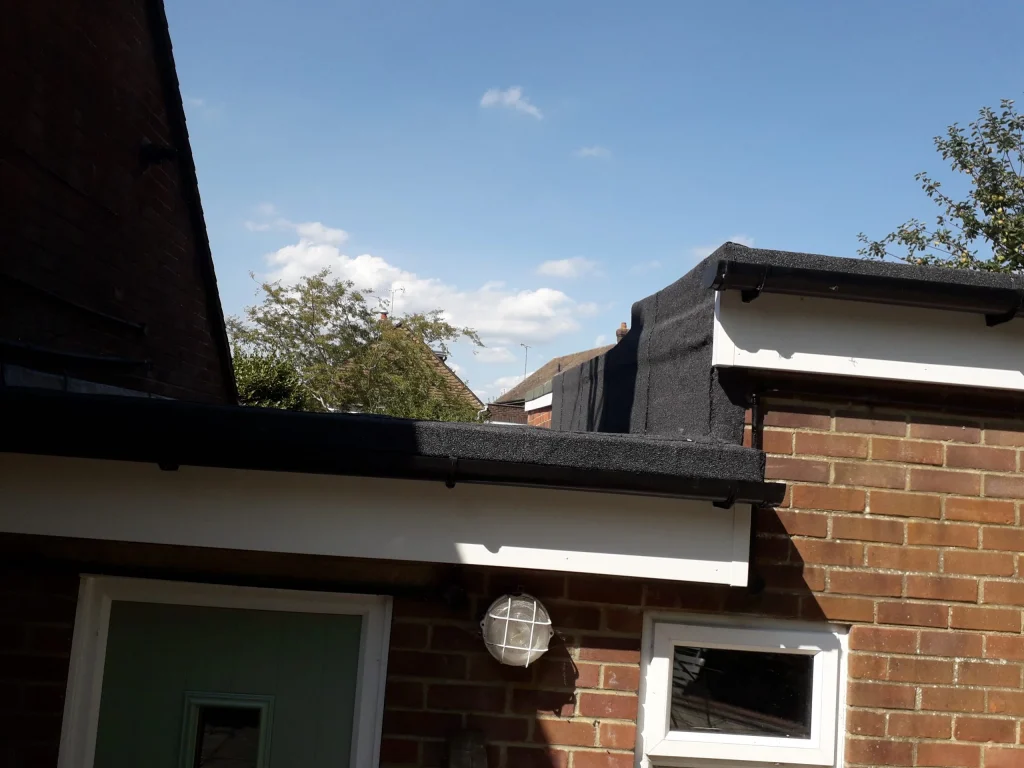
When a gutter joint starts leaking in Hove, the total cost is typically influenced by three main factors: ease of access, the overall state of the drainage system, and whether the joint has physically failed or simply shifted out of position. In my professional experience, a dripping joint is often a minor fix, but the scope can expand if the underlying fascia is decaying, the support brackets have sagged, or a partial blockage in the downpipe is forcing water back through the seals.
For a standard project involving investigating and fixing localized water ingress in Hove, homeowners should expect the price to reflect labour and safety requirements rather than expensive parts. Replacing a rubber seal, installing a new union joint, or recalibrating the gutter’s slope is relatively low-cost. The primary variables are whether I can reach the area safely and if the surrounding roofline remains structurally sound.
Why gutter joints leak in Hove properties
Most leaking gutter joints I inspect are not the result of a sudden break. Instead, they usually occur because the plastic components have shifted over time. uPVC guttering naturally expands and contracts with the seasons, which can cause brackets to loosen and seals to harden. Eventually, heavy rainfall reveals these vulnerabilities.
In coastal areas like Hove, the local climate adds extra pressure. Salt-laden air and high winds, combined with the intricate rooflines of Victorian and Edwardian homes, put significant stress on the drainage. A joint that only drips during a light shower can quickly become a waterfall during a storm if the system cannot handle the volume.
What affects the repair cost?
When pricing a fix, I prefer to assess the physical details on-site rather than providing a generic estimate. The main factors that influence the final price include:
- Access: a low front gutter is usually quicker than a high rear gutter above an extension or conservatory.
- Type of guttering: standard half-round plastic guttering is usually simpler than older cast iron or unusual profiles.
- Condition of the joint: sometimes the rubber seal can be replaced, but sometimes the whole union joint is warped or cracked.
- Gutter alignment: if the gutter has sagged, the joint may leak again unless the fall and brackets are corrected.
- Fascia condition: rotten timber behind the gutter can stop brackets holding properly.
- Drainage flow: a blocked downpipe can make water back up and escape through the nearest weak joint.
This explains why two seemingly identical leaks can result in different quotes once the specific height and condition of the materials are taken into account.
A leaking joint is not always just a joint problem
A common misconception is that water only escapes because a seal has perished. While that happens, I frequently find that the joint is leaking because water is pooling in the gutter rather than flowing toward the downpipe.
If the pitch of the gutter is incorrect, water sits against the joint indefinitely. During heavy storms, capillary action can pull this standing water through tiny gaps and behind the fascia. This often leads to stained masonry and damp timber, which can be mistaken for a more serious structural issue.
If your property suffers from frequent overflows or poor drainage flow, exploring comprehensive guttering and drainage solutions in Brighton and Hove is often the best way to address the root cause rather than just the symptoms.
Repair, reseal, or replace the gutter section?
For minor issues, I always aim for the most cost-effective, reliable fix. This might involve cleaning the joint, fitting a fresh seal, or adjusting the brackets to ensure the water runs correctly toward the outlet.
However, full replacement is often the wiser choice if the plastic has become brittle, warped, or heavily stained. Once old uPVC loses its structural integrity, patching one leak often just puts more pressure on the next weakest point in the run.
When a small repair is usually enough
- The gutter is generally straight and secure.
- Only one joint is leaking.
- The fascia board is firm and not rotten.
- The downpipe is clear.
- The gutter profile is standard and replacement parts are available.
When the cost may increase
- The gutter is high or difficult to access safely.
- The brackets have pulled away from soft timber.
- Several joints are leaking along the same run.
- The gutter is sagging or holding standing water.
- The leak has already damaged fascia, soffit, or brickwork.
Why I check the fascia before fixing the joint
A failing gutter joint usually drips directly onto the fascia board. If this timber remains damp for an extended period, it will eventually rot. Soft fascia cannot hold gutter brackets securely, causing the gutter to sag and the joint to fail again shortly after a repair.
When I encounter significant timber decay, it is usually more practical to address the roofline properly. For homeowners dealing with damaged or unsightly timber edges, reviewing the options for modern uPVC fascia board upgrades in Sussex can provide a more permanent, maintenance-free solution.
Warning signs homeowners should not ignore
A small drip might seem insignificant, but gutters collect and concentrate a huge volume of water. If that water is consistently hitting the same patch of wall, it can lead to algae growth, damaged render, and eventually internal dampness.
I recommend looking out for the following indicators:
- green staining or algae below the gutter joint
- water running down brickwork during rain
- paint peeling on fascia or soffit boards
- damp patches near the top of an external wall
- overflowing gutters even after light rain
- water dripping from the same joint after rainfall has stopped
If the leak only happens during very heavy rain, the gutter may be undersized, blocked, poorly pitched, or overwhelmed by water coming from a specific valley or flat roof section.
My practical view on gutter joint leak repair cost in Hove
The cost of fixing a gutter joint in Hove remains affordable when the system is accessible and the surrounding timber is healthy. The price only increases when the repair needs to address wider issues like incorrect falls, blocked downpipes, or decaying fascias.
My approach is always to identify why the failure happened in the first place. If a seal has simply reached the end of its life, the fix is quick. If the underlying structure is the problem, fixing the drip without addressing the cause is a waste of the homeowner’s money. A proper diagnosis ensures the repair actually lasts.