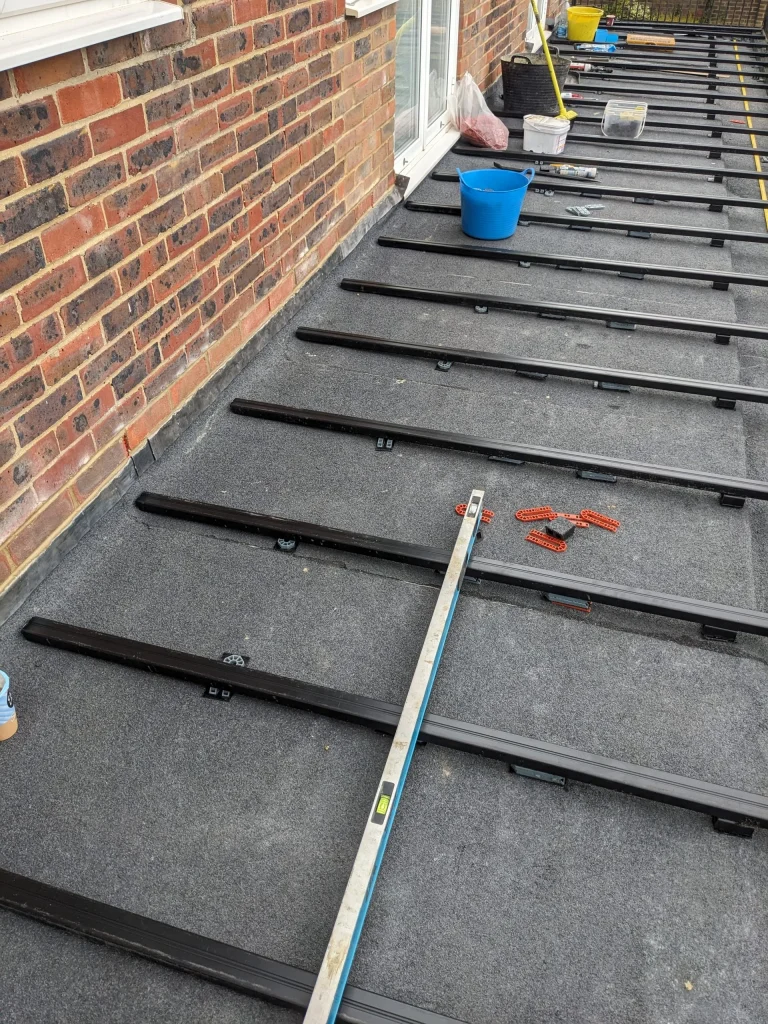
Flat Roofing Service in Sussex: Why Proper Installation Matters More Than Quick Repairs
When homeowners look for a flat roofing service, they are usually trying to deal with an immediate problem: water ingress, bubbling membranes, ponding water, or visible wear around the edges. However, after working on low-slope flashing faults across Brighton, Hove, and Worthing for many years, I can say that the visible symptom is rarely the whole story. In most cases, the real cause started much earlier through poor detailing, inadequate drainage, or unsuitable materials.
I approach low-slope roofing differently. Rather than concentrating only on patching the damaged area, I assess whether the whole system is still performing structurally and thermally. A well-built covering should do more than simply keep rain out. It should manage moisture movement, thermal expansion, insulation performance, and long-term exposure to Sussex weather.
What Makes a Professional Flat Roofing Service Different?
Many contractors treat this type of work as a quick installation trade. A membrane is laid, edges are sealed, and the job is considered complete. In reality, long-term performance depends on technical details that most homeowners never see, which is why a technical rooftop inspection can reveal issues that are invisible from ground level.
When I carry out a flat roofing service, I examine:
- Roof falls – whether water can drain naturally or whether subtle depressions are holding moisture.
- Edge restraint systems – checking that perimeter trims are mechanically secure against coastal wind exposure.
- Upstand detailing – making sure the waterproofing rises correctly where the covering meets walls, chimneys, or adjoining structures.
- Thermal performance – identifying whether insulation is helping to reduce heat loss and internal condensation.
- Deck movement – assessing timber or substrate movement that may place stress on waterproof layers over time.
In coastal Sussex, these details matter even more because salt-heavy air, UV exposure, and strong wind gusts place constant pressure on low-slope roof systems.
Why I Prefer SBS Torch-On Felt Systems
For most projects, I work with SBS-modified torch-on felt rather than cheaper alternatives. Traditional materials can become brittle and vulnerable to cracking after repeated temperature changes. Sussex weather is particularly demanding because roof surfaces may experience intense summer heat, heavy rain, and winter freezing conditions within the same year.
SBS membranes remain more elastic, allowing the waterproof layer to tolerate natural movement without splitting prematurely. This flexibility reduces the chance of hidden failures developing beneath the visible surface.
If a homeowner is comparing repair work with a full renewal, I usually recommend checking my online price estimator for low-slope coverings first. It gives a quick indication of likely pricing before arranging a proper site inspection.
Flat Roofing Problems Often Start at Junctions
One of the most overlooked parts of any flat roofing service is junction detailing. In many cases, the main surface is still watertight, while failures begin where different materials meet vertical structures.
I frequently find problems around:
- Wall abutments where flashing has lifted or pulled away.
- Parapet walls allowing moisture to migrate through porous masonry.
- Dormer cheeks where building movement creates weak junction points.
- Roof penetrations surrounding vents, pipes, or outlets.
- Edge drips where water tracks backward beneath poorly installed trims.
In some Sussex properties, moisture enters through wall structures rather than directly through the main waterproof layer. Where this creates persistent dampness along party walls, I sometimes recommend protective capping for parapet and boundary walls to prevent moisture from bypassing the roofing system.
Why Flat Roofing Services Should Be Preventative
One misconception I hear regularly is that a low-slope covering only needs attention after visible water ingress inside the property appears. In reality, most systems provide several warning signs before major failure occurs.
Early symptoms often include:
- Fine surface cracking around joints.
- Standing water that remains for several days after rainfall.
- Small blisters in the mineral surface.
- Visible lifting around corners or perimeter edges.
- Damp smells inside loft voids or upper rooms.
Addressing these problems early is usually far cheaper than replacing saturated insulation, damaged decking, or structural timber later.
Choosing the Right Flat Roofing Service for Your Property
Every property behaves differently. A garage covering, rear extension, dormer structure, or occupied living space all require slightly different technical approaches. I never assume that one specification is suitable for every building.
My goal is always to explain what is happening, why it is happening, and whether targeted repair work or full renewal offers the best long-term result. I prefer clear technical advice rather than sales pressure.
If you want to understand likely costs before arranging a survey, most services on my website include an instant calculator where you can estimate pricing yourself in around 30 seconds. After that, I can inspect the roof properly and recommend the most sensible solution for your Sussex property.