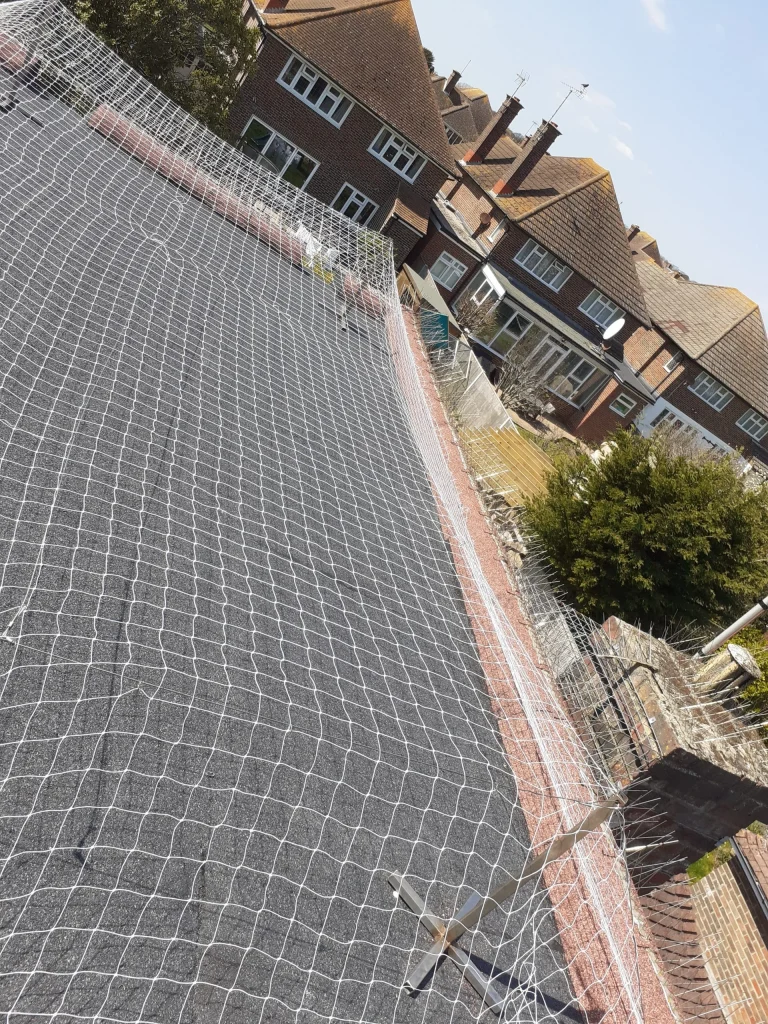
What Is a Torch On Felt Torch and Why Does It Matter?
When property owners in Brighton, Hove, or Worthing start looking into modern waterproofing systems, they often come across terms like torch-on felt and wonder what the process actually entails. The torch itself is a specialist gas-powered tool I use to heat the underside of SBS-modified membranes, activating the bitumen layer so it bonds permanently to the durable surface layer of your structure.
This process creates a seamless waterproof barrier that performs exceptionally well in the Sussex climate. When I install systems like Tecnatorch SBS Torch-On Mineral Felt Charcoal, I am applying a material designed to resist UV exposure, temperature fluctuations, and heavy rain while maintaining flexibility for years.
If your current weatherproofing layer already shows signs of water ingress, I always recommend arranging an emergency site assessment before small defects become significant structural problems.
Understanding Tecnatorch SBS Torch-On Mineral Felt Charcoal
Tecnatorch is a high-performance waterproofing membrane designed for modern construction. It uses SBS-modified bitumen, which gives the material elasticity and durability far beyond older traditional systems used for outbuilding weatherproofing.
- SBS flexibility: Allows movement without cracking during seasonal expansion and contraction.
- Mineral charcoal finish: Protects the membrane against UV degradation.
- Reinforced core: Improves tear resistance and structural strength.
- Fully bonded application: Eliminates weak points where water could track underneath.
This is why I use this type of system for many specialist waterproofing projects in Brighton and Sussex.
How the Torch Application Process Works
The installation is highly controlled and technical, even though the principle sounds simple.
1. Surface Preparation
I inspect the decking for movement, moisture damage, and structural weakness. A clean and stable substrate is essential.
2. Underlay Installation
A torch-on base layer is installed first to provide primary adhesion and waterproof support.
3. Controlled Heat Bonding
The roofing torch applies measured heat to activate the bitumen underside. Too little heat risks poor adhesion; too much heat can damage the membrane. Experience matters here.
4. Mineral Cap Sheet Application
The Tecnatorch mineral finish layer is rolled into the molten bitumen to create a sealed protective surface.
Why SBS Torch-On Felt Performs Better Than Traditional Felt
Many homeowners remember old-style materials that blistered, cracked, or failed after only a few years. Modern SBS systems are entirely different.
- Greater flexibility in cold weather
- Better resistance to standing water
- Improved UV lifespan
- Strong wind uplift resistance
- Long-term dimensional stability
For Sussex coastal properties exposed to salt air and strong winds, these advantages make a measurable difference.
How Long Does Tecnatorch Last?
Installed correctly, this type of system typically performs for 20–30 years with minimal maintenance. Lifespan depends on:
- Correct installation temperature
- Deck preparation quality
- Drainage design
- Edge detailing
- Regular inspections
I always tell customers that the material itself is only part of the equation. Installation quality determines whether you get the full service life.
Is It the Right Choice for Your Roof?
If you want a practical, proven system that handles British weather well, Tecnatorch SBS mineral felt is one of the most sensible options available. It offers durability without the premium pricing of some synthetic membranes while delivering excellent waterproof reliability.
If you are comparing different options, I make the process straightforward. On my website, you can use my online calculator and estimate costs yourself in about 30 seconds, then I can personally inspect the area and provide a fixed quote if needed.