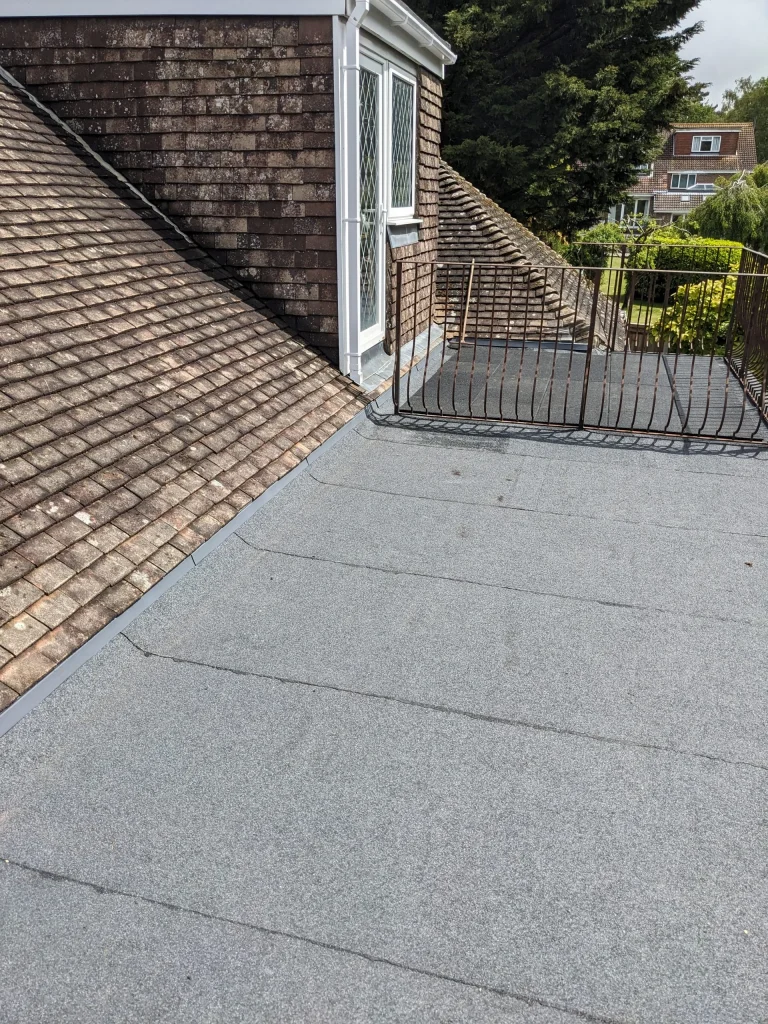
Laying a Durable Waterproof Membrane: My Professional Approach
When property owners in Sussex ask me about installing a new waterproof surface, their primary concern is always the same: will it remain completely watertight for years to come? It’s a valid question. A poorly installed system is a significant liability. Over my 14 years working in Brighton and Hove, I have refined my process to eliminate this risk, relying on a system that has proven itself time and again.
The Advantages of a Two-Layer Torch-On System
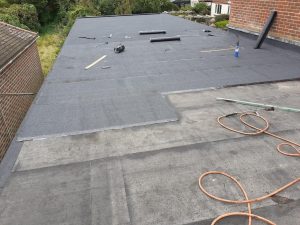
My method of choice for almost every project is a two-layer system using high-performance SBS-modified torch-on felt. The process involves laying two separate layers of this robust material, fusing them together with a high-heat torch. This creates a single, monolithic membrane that is incredibly resilient.
Think of it as double protection. The first layer provides a solid waterproof base, and the second, mineral-finished cap sheet adds another impenetrable barrier along with UV protection. The two layers are welded so thoroughly that it is exceptionally difficult for water to find a path through. In my entire career, I have never seen a professional waterproofing repairs project fail when using this specific two-layer method. It’s a testament to the quality of the material and the precision of the installation process.
Why Material Flexibility is Essential
Any external structure is not static. It expands in the summer heat and contracts in the winter cold. A high-quality covering must be able to accommodate this thermal movement without failing. This is where SBS-modified felt excels.
Its rubberised properties give it excellent flexibility, allowing it to stretch and shrink with the building. In stark contrast, you have materials like fibreglass (GRP). While extremely hard, this rigidity is its biggest downfall. It doesn’t move with the building, which can lead to stress fractures and cracks over time. I believe fibreglass is an outstanding material for boats, but it’s often a poor choice for residential structures. I have lost count of the number of relatively new fibreglass systems I’ve had to strip off and replace with a proper felt system.
A Professional Look at Alternative Materials
Of course, torch-on felt isn’t the only option on the market. Single-ply membranes like EPDM, PVC, and TPO are also used. These materials can perform well when first installed. However, their weakness becomes apparent when they suffer mechanical damage or simply age.
A dropped tool, a misplaced footstep, or years of weather exposure can cause a puncture. Repairing these single-ply membranes effectively, especially after several years of UV degradation, can be very challenging. This is a key reason I stand by torch-on felt. Not only is it incredibly durable, but it’s also straightforward to maintain, ensuring the longevity of your investment in a durable multi-layer installation.
Long-Term Value and Maintenance
A properly laid two-layer felt system can be expected to last for 25 years or more. One of its greatest advantages is its future-proofing. When it eventually reaches the end of its service life, it often doesn’t require a full, costly strip-back. In many cases, I can simply install a new top layer of felt over the existing one, effectively renewing the protection for decades more. This makes it an incredibly cost-effective long-term solution.
If you are considering a new installation, it’s vital to choose the right system. If you have any questions or would like a detailed assessment of your property, please feel free to schedule an on-site consultation. For many of my services, you can also get an instant price estimate in 30 seconds using the online calculator on my website.